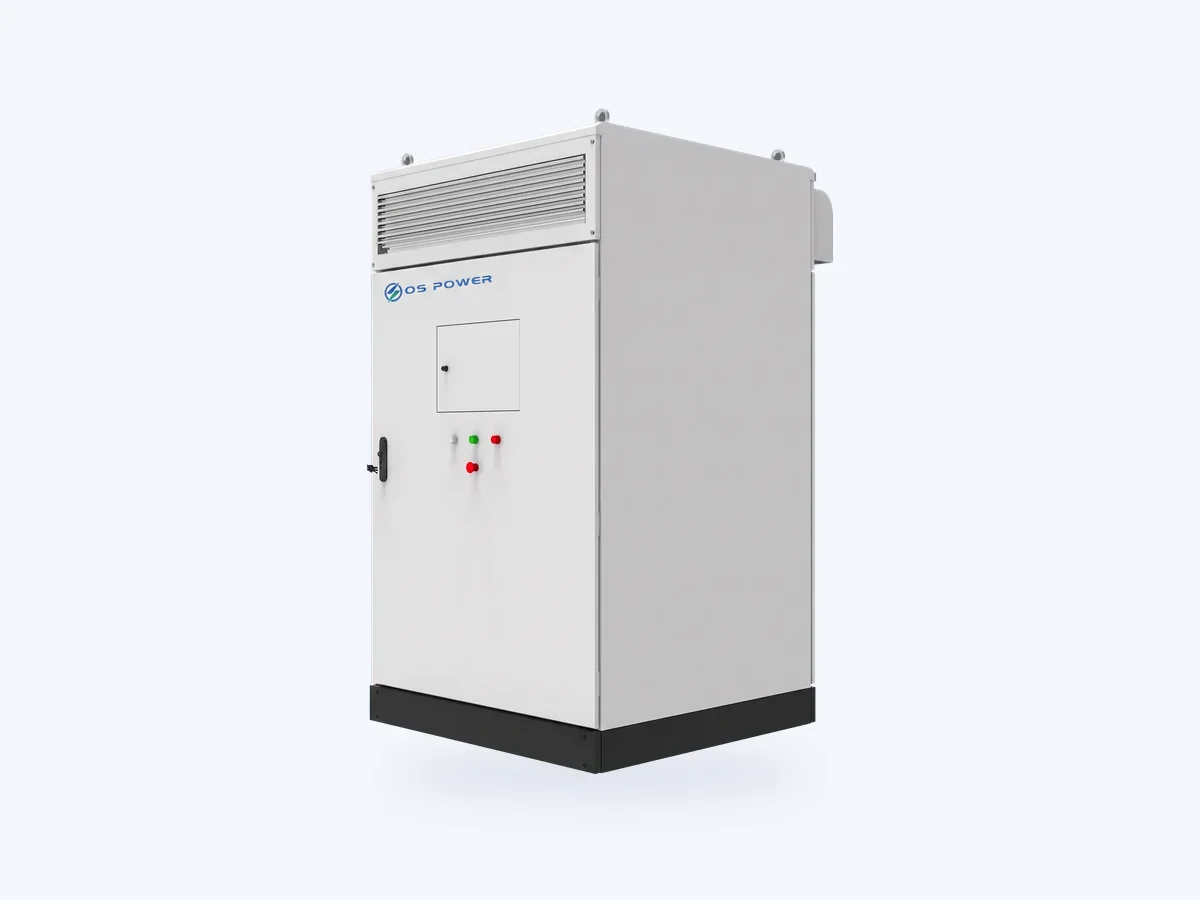
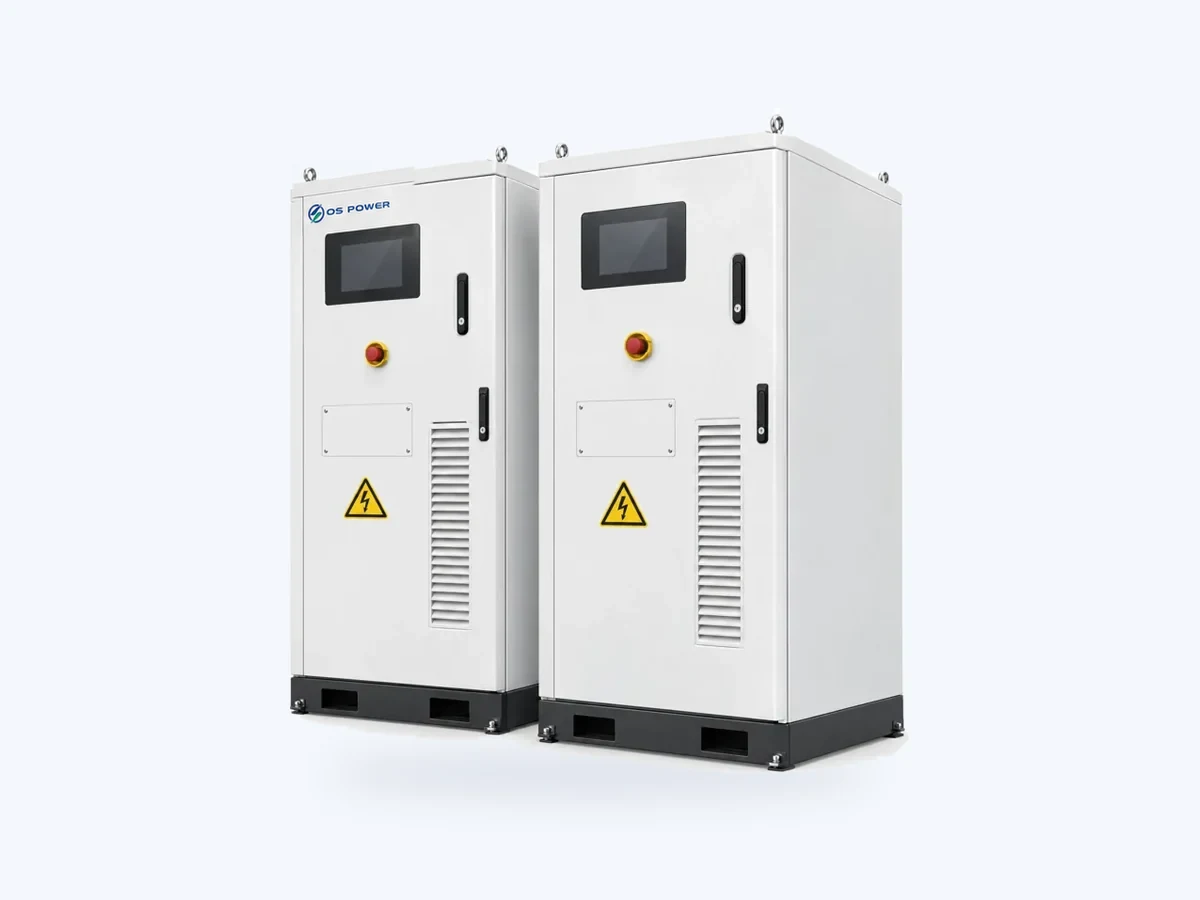
Outdoor 115 kWh sodium cabinets
- Equipment
- 2 NFPP cabinets of 115 kWh
- Result
- continuous outdoor operation since April 2024 and February 2025
Solution
In constrained grid nodes, a capacity increase takes years. The storage charges within the allocated capacity and covers peaks above it, so the site can start earlier and avoid paying for capacity it needs only a few hours a day.
Key figures
up to 4 months
to fulfil grid connection conditions when spare capacity exists, for sites up to 670 kW
grid connection rules, Russia2-4 years
lead time when grid upgrades are required
grid company practicehours, not megawatts
storage covers peak hours, not the entire load
calculation principleThere is no spare capacity at the substation, and the grid connection conditions require an upgrade with a long lead time.
The site needs high power only a few hours a day: charging stations, equipment starts, seasonal load.
The grid connection fee grows with capacity, and it has to be paid up front.
A warehouse, plant or data center has to start now, not after the grid company finishes construction.
Solution
The storage acts as a buffer between the grid and the load: grid consumption does not exceed the allocated capacity, and the battery supplies the difference.
Grid consumption does not exceed the allocated capacity.
| Situation | Without storage | With storage |
|---|---|---|
| Peak of 2-4 hours a day | paying for capacity sized to the peak | capacity sized to the average load, the battery covers the peak |
| Grid upgrade of 2-4 years | the site waits or runs on gensets | start-up within the allocated capacity |
| EV charging stations | high capacity for short sessions | on-site buffer, the grid sees a flat load |
| Seasonal load | capacity sits idle most of the year | storage works all year round lowering charges |
Grid connection lead times are based on current rules and grid company practice in Russia as of 10.2026. The use of storage is agreed with the grid company under the site's connection conditions.
Data from the group's manufacturers and partners as of 10.2026. Customer names are not published.
Discharging during peak hours lowers billed capacity; charging at night lowers the energy bill.
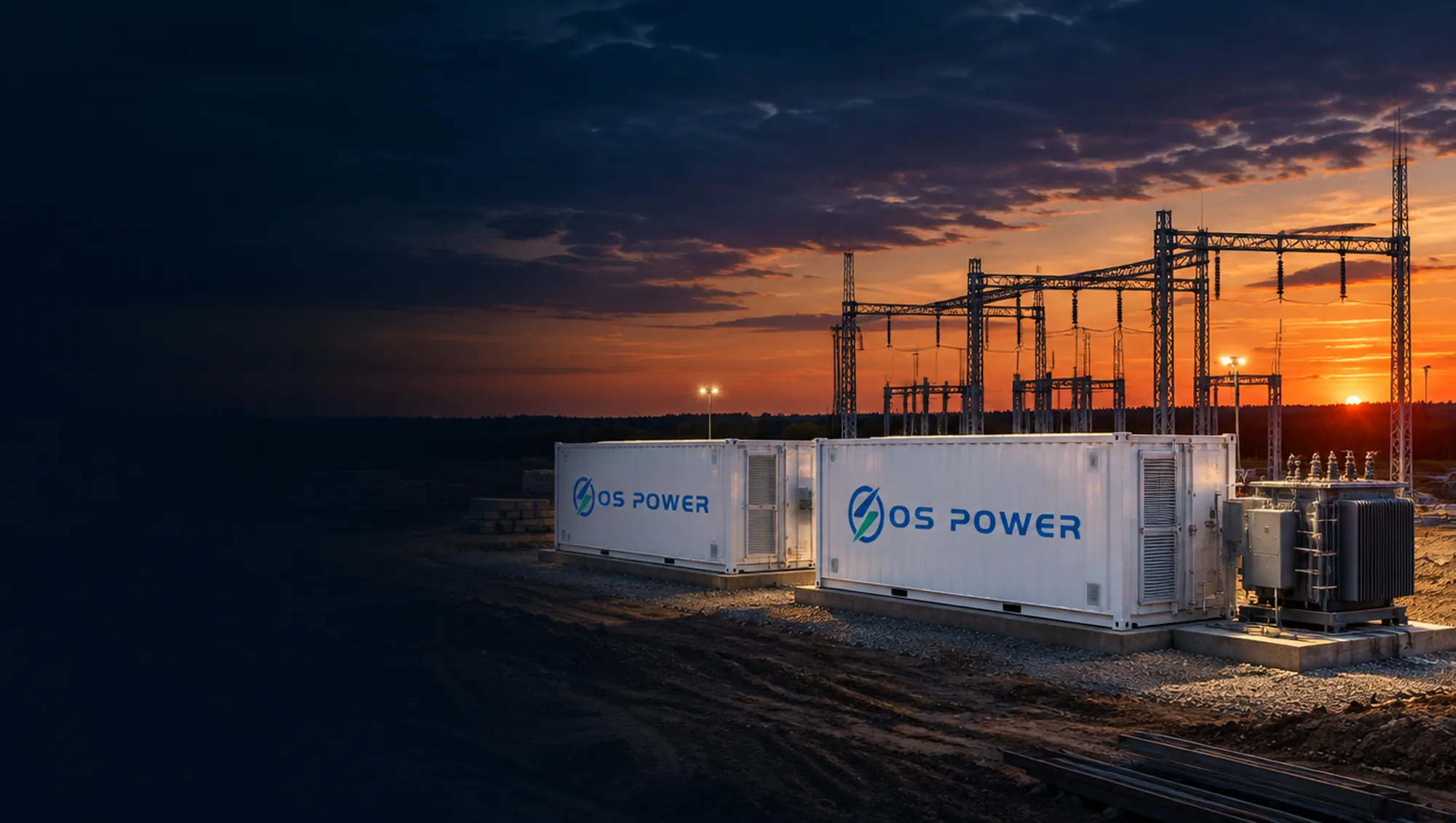
Learn moreContainers up to 5 MWh for grid companies, solar and wind plants.
Learn moreNFPP sodium batteries instead of lead-acid: hours of backup in the same hall.
Learn more48 V LFP and NFPP modules and integrated cabinets for base stations.
Learn moreStorage, genset and solar for sites without a reliable grid.
Learn moreRequest
Peak and average load, hourly load profile for a year (if available), tariff and price category, site climate and the task: lower electricity costs, backup, grid connection or on-site generation. We will reply with a configuration, an indicative payback and a lead time.