
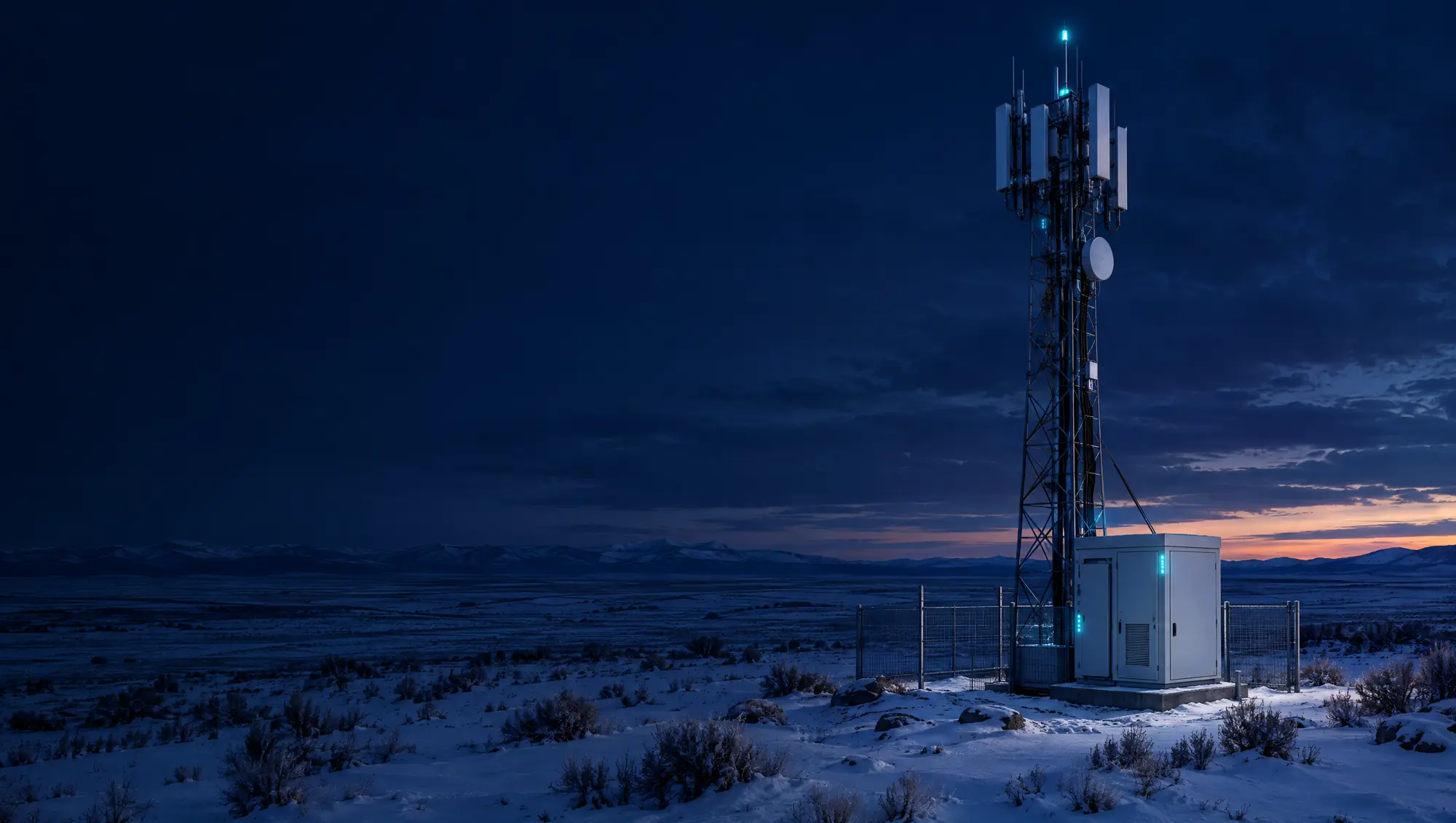
Solutions for telecom operators
Base station power that works in frost, in heat and through long outages
48 V LFP lithium and NFPP sodium batteries, integrated cabinets and hybrid systems with gensets and solar. We select the solution for the site type and climate, verify it in a pilot at your stations, and supply and service it in Russia, Kazakhstan and Uzbekistan.
- lower 10-year battery total cost of ownership than lead-acid
- 5-16 times
- discharge of sodium modules without heating
- -40 °C
- site commissioning with an integrated cabinet
- 1-3 days
Total cost of ownership - OS Power calculation for three typical sites; temperature - per module datasheet; commissioning time - cabinet manufacturer data.
Scenarios
Six problems we solve on site
Each scenario includes the operating algorithm, energy flow diagram, kit composition and the effect in operator terms: site visits, replacements, hours of autonomy, 10-year costs.
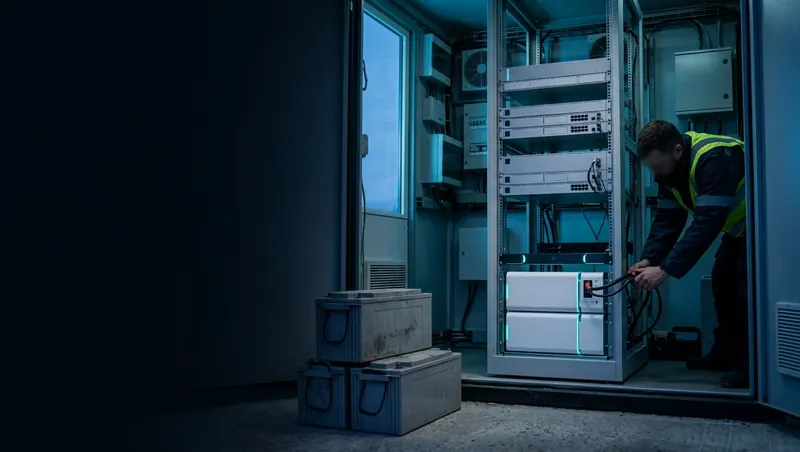 Replacing lead-acid batteriesLFP lithium in the same 19-inch rack: 3-4 times lighter, no replacements over the service life, in stages.Learn more
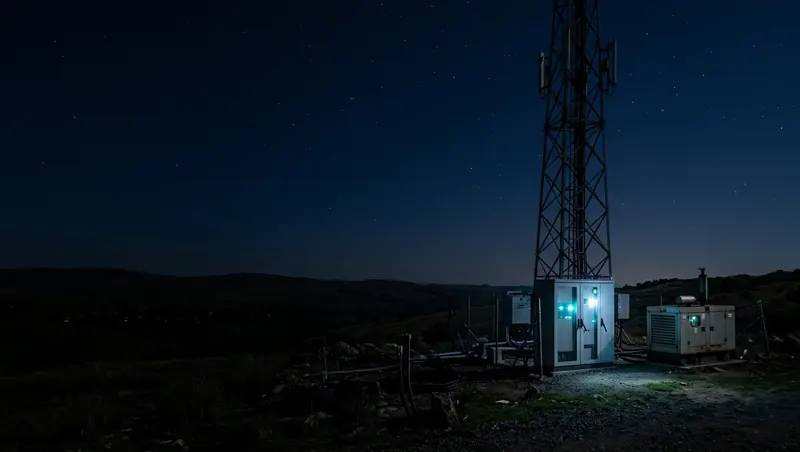 Long outages and a poor gridThe battery carries the load, the genset runs in short, efficient cycles based on state of charge.Learn more
 Cold and heatNFPP sodium charges from -20 °C and discharges at -40 °C without heating, operates up to +60 °C.Learn more
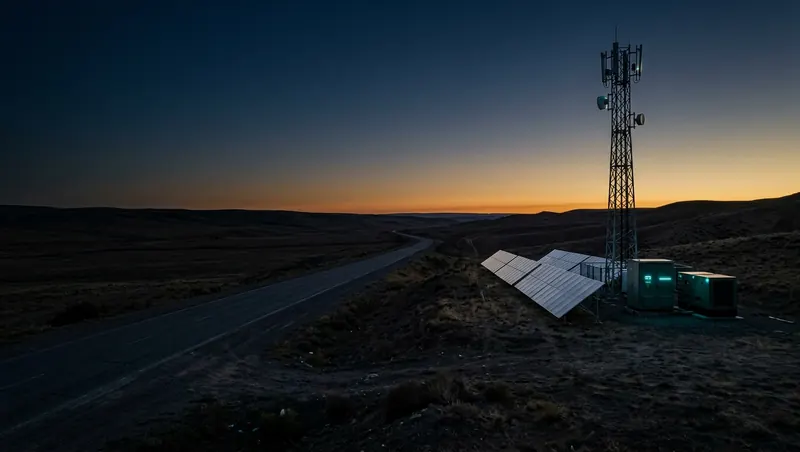 Off-grid siteGenset, solar and storage in one cabinet: many times less fuel and fewer trips to the site.Learn more
 Theft protectionSoftware lock, displacement sensor and GPS: a stolen battery does not work and can be located.Learn more
 Integrated cabinet instead of an equipment roomPower, batteries, climate control and space for radio equipment in one cabinet: 75 % less floor space.Learn more
Site type
What we install at a site of your type
This is how operator estimates and budgets are structured: by site type. Find your site and go to the scenario.
| Site | Recommended kit | Scenario |
|---|---|---|
| Macro site in an equipment room | LFP lithium modules 100 or 150 Ah in a 19-inch rack, operator power system, monitoring via the controller | Lead-acid replacement |
| Outdoor cabinet in a cold climate | NFPP sodium modules 100 or 160 Ah without heating, IP55 outdoor cabinet | Frost and heat |
| Site with frequent outages | NFPP for daily cycling, 48 V DC genset, start algorithm based on state of charge | Outages |
| Off-grid site on a highway or in a village | Multi-service cabinet with grid, genset and solar inputs, NFPP, genset | Off-grid |
| Remote site with theft risk | Modules with software lock, displacement sensor and GPS, vandal-resistant cabinet | Theft protection |
| City, rooftop, multi-operator site | Integrated cabinet instead of an equipment room, multi-service cabinet up to 4 in a row | Integrated cabinet |
Model selection
Choose the model by task, not by capacity
| Site task | Model | Key parameter | Product card |
|---|---|---|---|
| Backup in a heated equipment room | LFP lithium module 48 V / 100 Ah | at least 6,000 cycles at 80 % DOD, 3U | Learn more |
| Tight rack | LFP 48 V / 100 Ah in a compact housing | 400 mm depth, 39 kg | Learn more |
| High load, long backup | LFP 48 V / 150 Ah | 7.2 kWh in a 5U module | Learn more |
| Outdoor cabinet, frost, no heating | NFPP sodium module 48 V / 100 Ah | charge from -20 °C, discharge at -40 °C, gyroscope and GPS | Learn more |
| Frost and high capacity | NFPP 48 V / 160 Ah | 7.68 kWh in a 19-inch rack | Learn more |
| Daily outages, heat | NFPP 48 V / 100 or 160 Ah | 8,000+ cycles per module datasheet | Learn more |
Cycle life is stated per datasheets; test conditions (temperature, depth of discharge, end-of-life capacity) are given in the datasheet.
Compare LFP, NFPP and lead-acid at temperatures from -40 to +70 °C
Economics
10-year total cost of ownership of the battery system
A lead-acid battery is cheaper on the day of purchase and more expensive over its service life: it is replaced every 1.5-5 years, a kit twice as large is installed for frost, and it gets stolen. The calculator compares three chemistries for your site.
- Load, autonomy and period
- Climate and outage frequency
- Your prices for a lead-acid battery, a site visit and electricity
- Replacements, site visits, climate control energy and the total for each chemistry
Sites
Where this already works
Integrated cabinets and power systems from the partner manufacturer of the group operate at operator sites in China: a new site, a mountaintop reconstruction, a dense site with 19 BBUs. Pilot results in Russia, Kazakhstan and Uzbekistan are published with operator consent.
For procurement
Documents for procurement admission
On request we send the supplier qualification package and register on the operator's procurement platform.
- Model datasheets and passports
- EAEU declarations of conformity
- Test reports per GOST R IEC 62619 and UN 38.3
- Compliance table for the Rules for the Use of Power Supply Equipment for Communication Facilities
- BMS-to-power system communication protocols
- Warranty, service and recycling terms
Why OS Power
Responsibility for the site, not for the box
The entire system
Site-specific selection, compatibility with your power system, a pilot under your test procedure, supply, installation, monitoring, warranty and service - from a single contractor.
EAEU documentation
Certification and declarations for Russian and EAEU requirements are handled by the group's Russian company. Customs and currency control are on us.
Warehouse and service in three countries
Russia, Kazakhstan, Uzbekistan: module stock, in-country warranty replacement, recycling of end-of-life batteries.
We know sites from the inside
The group's management ran telecom operators in Russia and Central Asia for many years: we know how an operator selects a supplier and what happens to a site in winter.
Pilot
Pilot program at your sites
A pilot is the fastest way to verify a battery in your conditions before procurement. Terms are agreed in writing so that testing does not become open-ended.
- Up to 10 modules, 3-6 monthsat 1-3 operator sites, including outdoor sites and sites without a reliable grid
- Criteria and test procedureagreed in writing before the start: capacity, cycles, temperatures, communication with the power system
- Samples, logistics and certification - on ussite, access and personnel - on the operator's side
- Cycle and temperature reportmonitoring data is available to both parties throughout the pilot
- Framework agreement within 60 daysif the agreed success criteria are met
Questions
What operators usually ask
Is sodium an immature technology?
Sodium batteries are produced in series by global market leaders; our manufacturer's installations have been in operation since 2024. Samples are free, testing under your procedure.
More expensive than lead-acid?
On the day of purchase - yes. Over 10 years - several times cheaper: fewer replacements, site visits and less heating. Check it in the calculator.
Do we need to replace everything at once?
No. Lithium and sodium modules fit a 19-inch rack and are introduced in stages, as lead-acid batteries reach end of life.
Why not buy directly in China?
Certification, customs clearance, currency control, warranty and warehouse are on us.
No reference in your network?
That is why we start with a pilot at your sites under your test procedure, with a cycle and temperature report.
What about safety?
LFP and NFPP chemistries contain no cobalt or nickel; in NFPP, thermal runaway proceeds without flame. Details are on the sodium chemistry page.
Compatibility
Power system compatibility
The battery must communicate with the controller of the operator's power system. Compatibility with a specific controller model and firmware version is verified in the pilot or on request before delivery.
| Power system | Communication with battery BMS | Status |
|---|---|---|
| Huawei | RS485 or CAN - per controller protocol | verified in pilot / on request |
| ZTE | RS485 or CAN - per controller protocol | verified in pilot / on request |
| Eltek | RS485 or CAN - per controller protocol | verified in pilot / on request |
| Vertiv | RS485 or CAN - per controller protocol | verified in pilot / on request |
| Delta | RS485 or CAN - per controller protocol | verified in pilot / on request |
Interfaces and protocols
- SNMP
- Modbus
- CAN
- RS485
- dry contacts
Battery low voltage disconnect (BLVD) settings for sodium are agreed separately: the NFPP voltage window differs from LFP.
Trademarks belong to their respective owners. Mention of power systems does not imply partnership or confirmed compatibility.
Equipment for telecom sites
Full catalog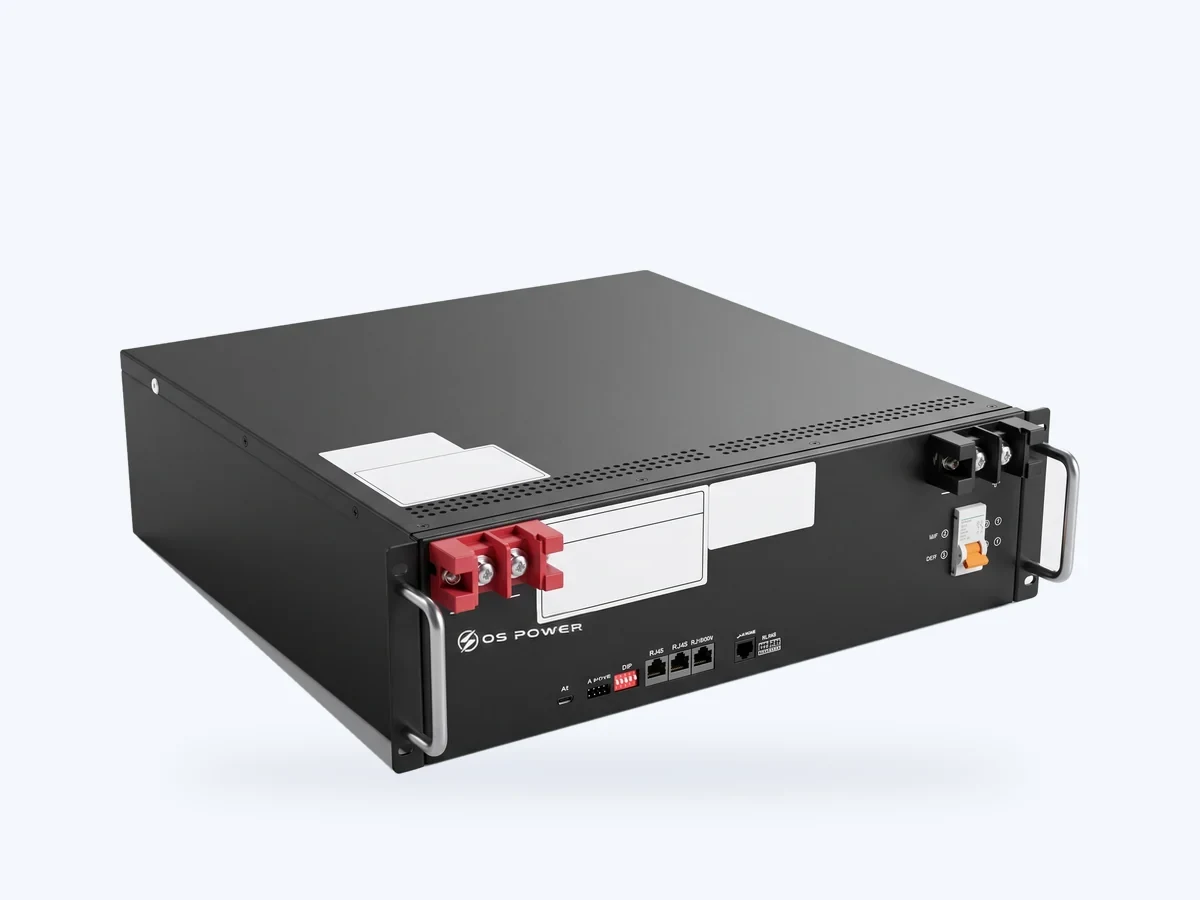 OSP-TL-LFP-48100Lithium module 48 V / 100 Ah4,800 Wh
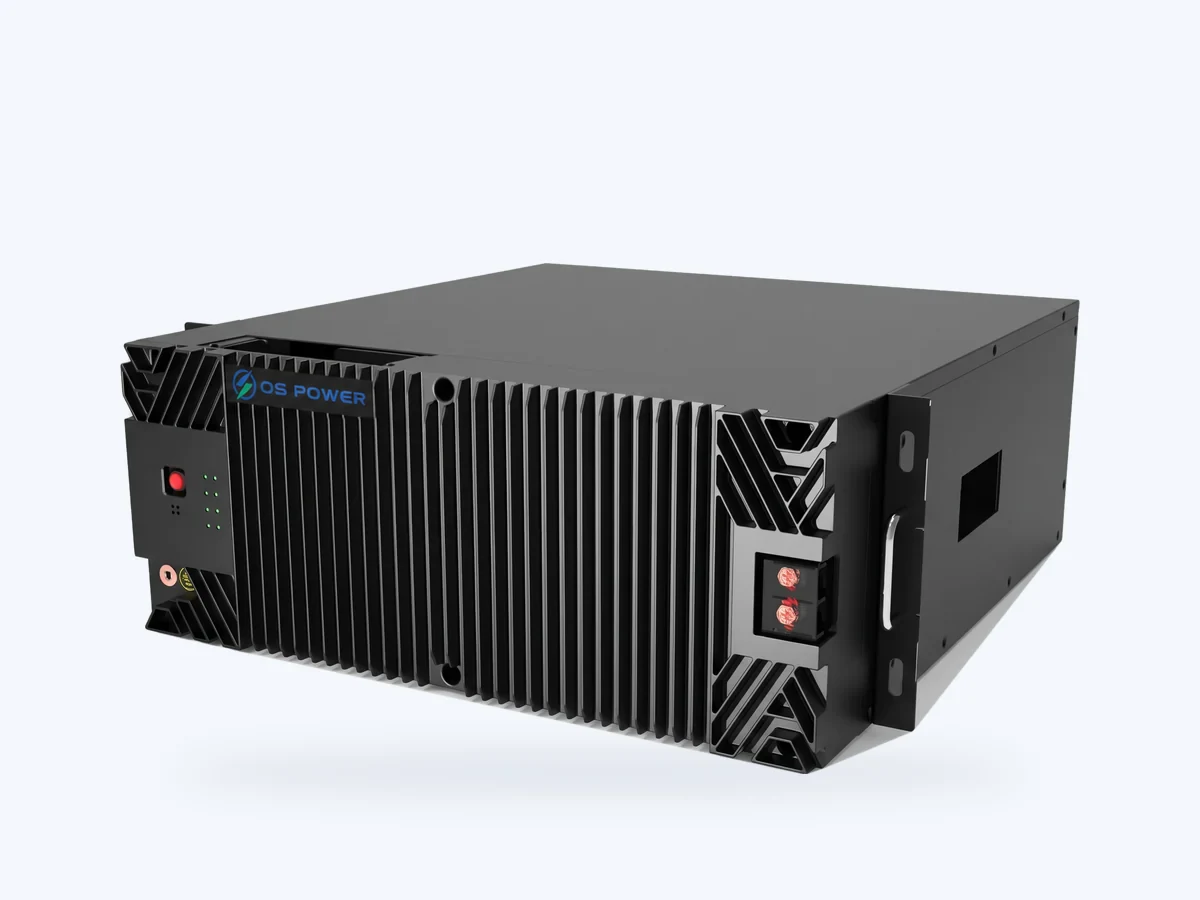 OSP-TL-NA-48100Sodium module 48 V / 100 Ah-40 °C
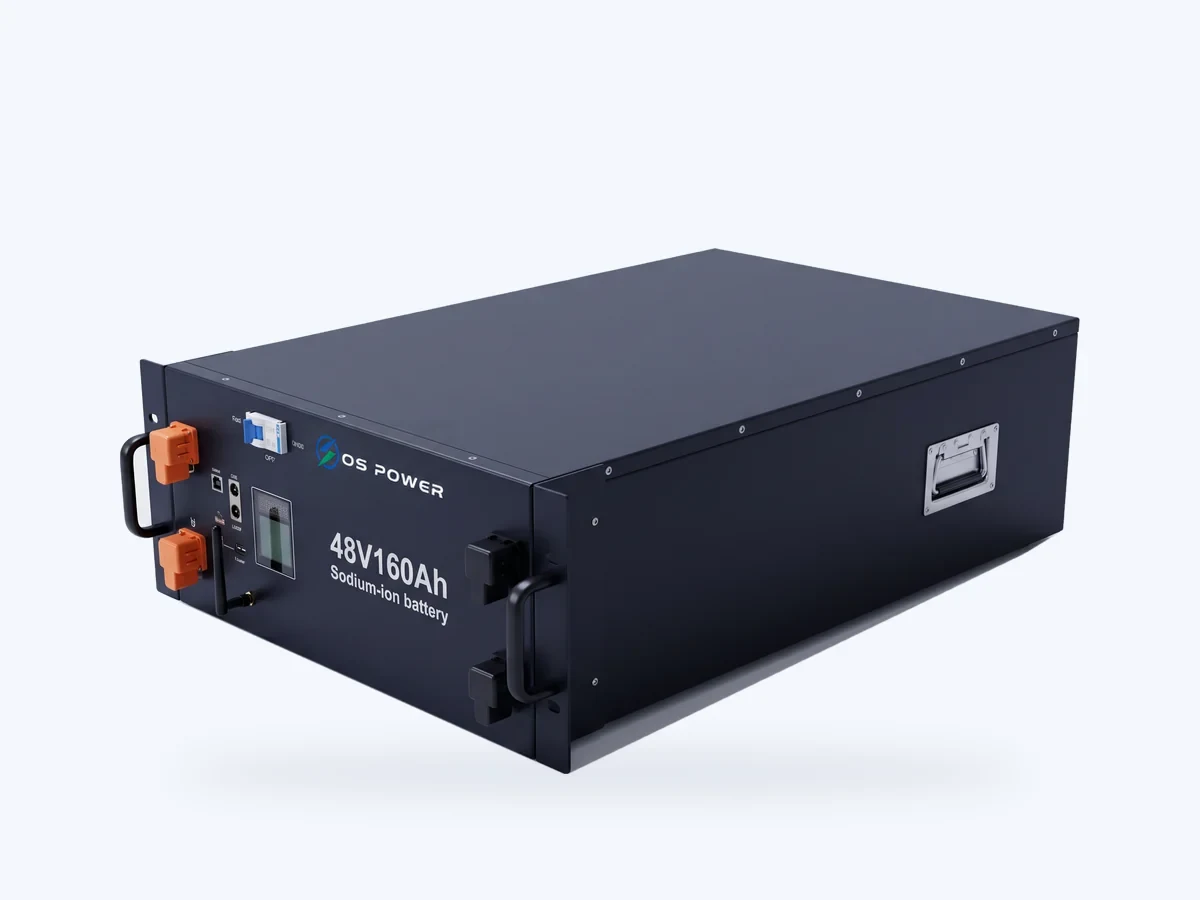 OSP-TL-NA-48160Sodium module 48 V / 160 Ah7.7 kWh
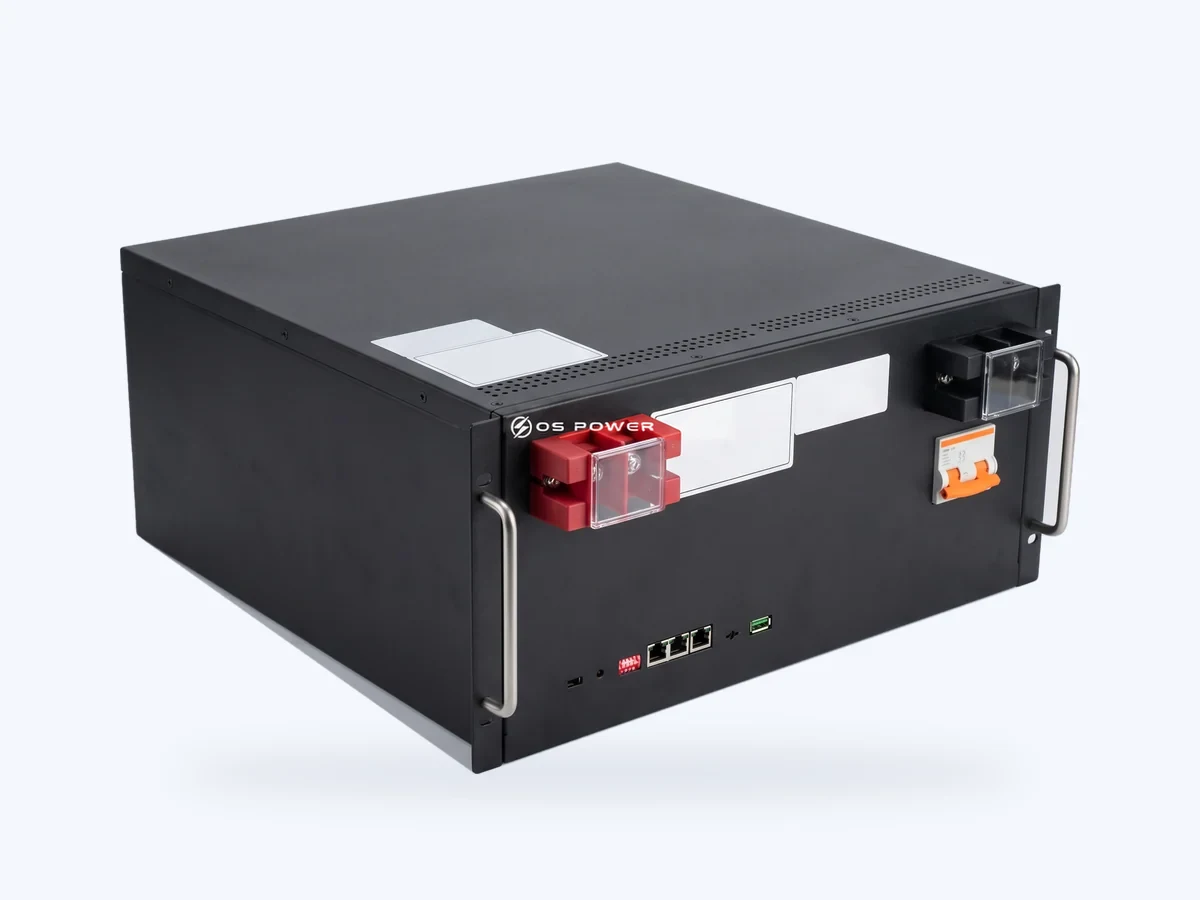 OSP-TL-LFP-48150Lithium module 48 V / 150 Ah7,200 Wh
 OSP-TS-OICAll-weather integrated cabinetIP55
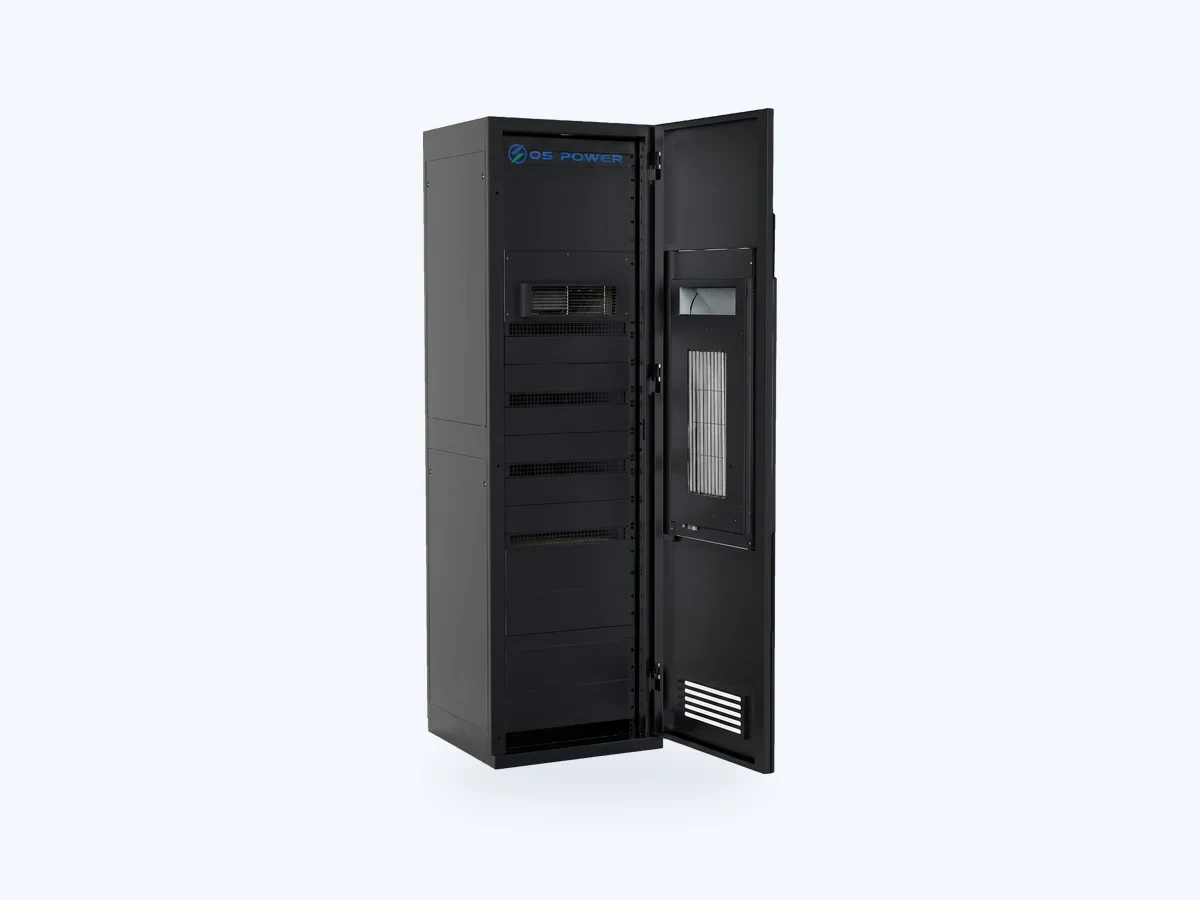 OSP-TS-AIOIndoor integrated cabinet1-2 m²
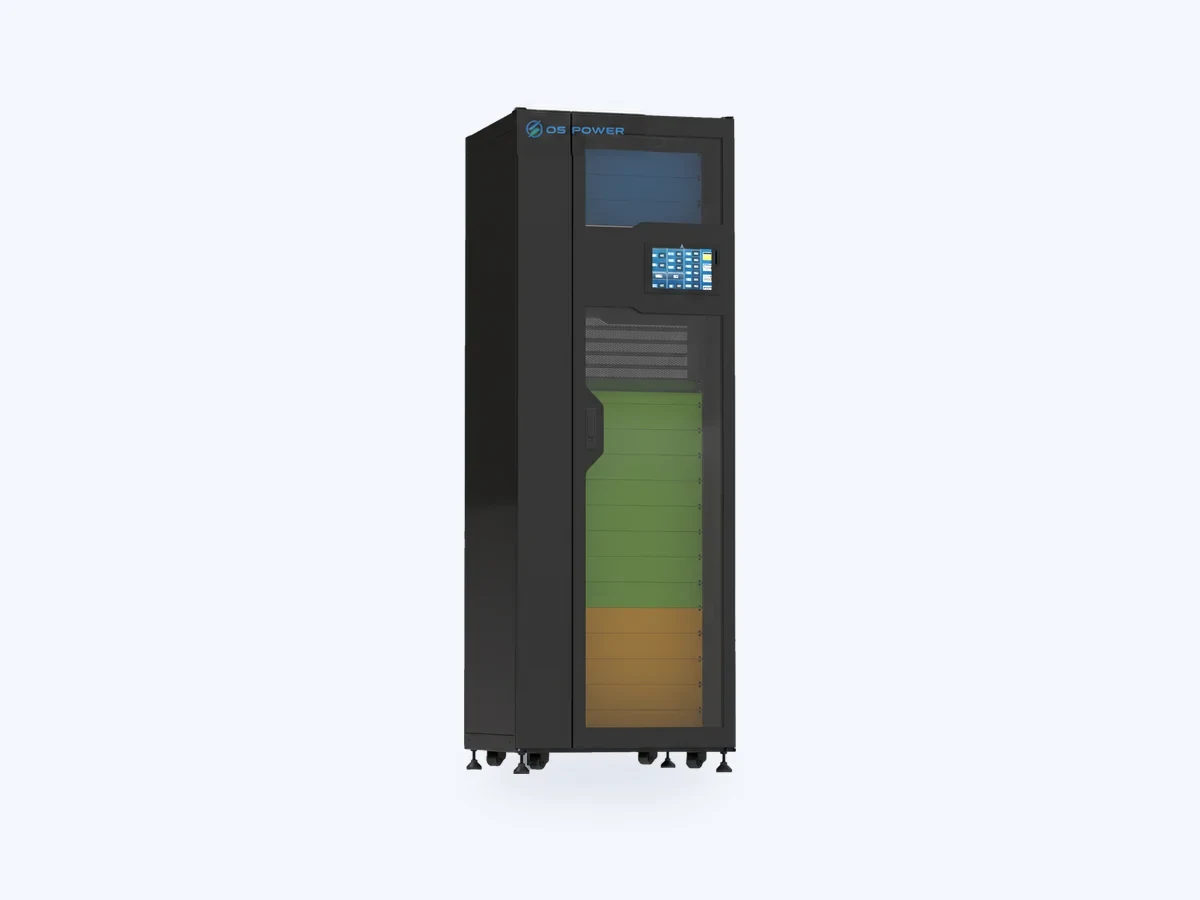 OSP-TS-MULTIMulti-service cabinet for multiple operators36 kW
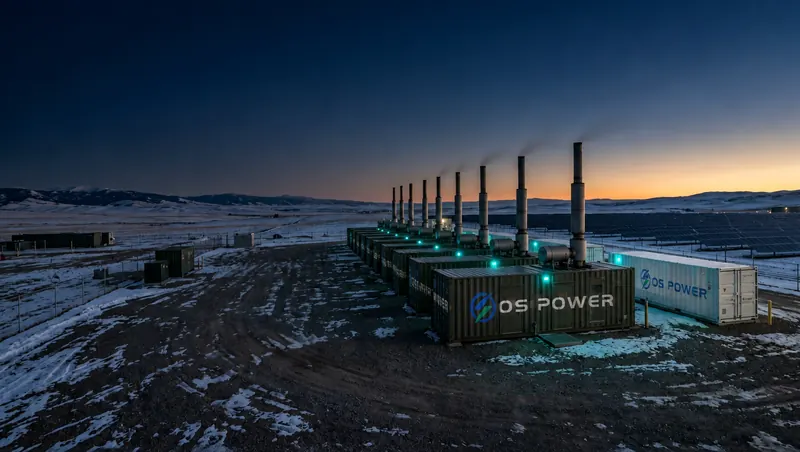
 OSP-DGDiesel and gas gensets6-4,000 kVA
Related solutions
What else OS Power supplies
Request
Tell us about your sites
Number and type of sites, climate, load, installed power system and what is currently in the battery compartment. We will reply with a preliminary configuration and pilot terms.