
Scenario
Base stations with long outages and a poor grid
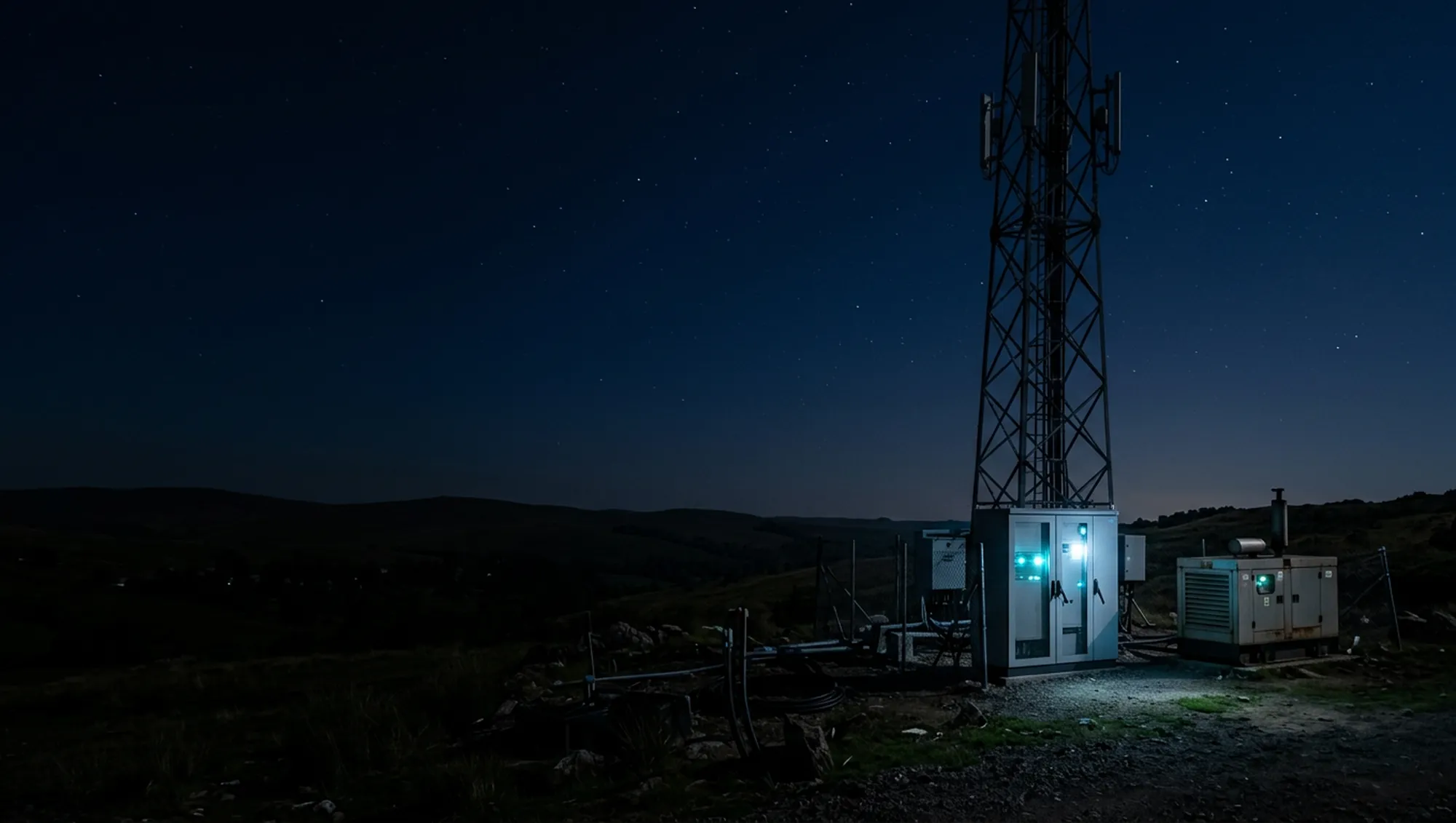
When the grid goes down for hours every day, the battery becomes the primary source and the genset becomes a charger. NFPP sodium modules are designed for daily cycling, and the genset runs in short, efficient cycles.
Effect
8,000+
cycles of the sodium module per datasheet: more than 20 years of daily outages
module datasheet30-60 %
less fuel at hybrid sites according to industry data
industry dataup to 12 times
lower battery total cost of ownership than lead-acid with daily cycling
OS Power calculationWhat happens at the site
Outages lasting hours
A 2-4 hour backup is designed for rare failures. With rolling blackouts and attacks on the power grid, stations go off air.
Lead-acid cannot handle cycling
With daily discharge, a lead-acid battery reaches end of life in 1.5 years.
The genset runs at idle
A genset carrying a small load for hours wastes fuel, wears out and requires frequent site visits.
Voltage sags
In hot weather grid voltage drops to 170-180 V, and rectifiers switch to battery dozens of times a day.
Solution
How it works
The battery takes over the load instantly and carries it until the charge drops to a set threshold. The genset starts only for charging and runs in an efficient mode.
- Grid availableThe power system supplies the load from the grid and charges the battery.
- Grid lostThe battery takes over the load without interruption. The genset does not start.
- Charge dropped to thresholdAt a state of charge of about 30-50 % the controller starts the genset. The genset supplies the load and charges the battery at rated power.
- Battery chargedAt 90-95 % the genset stops and the battery carries the load again. Thresholds are configured for the site and climate.
- primary source
- backup
- unstable
- not available
The genset starts based on battery state of charge, not on grid loss.
A battery for daily cycling
| Parameter | Lead-acid | LFP lithium | NFPP sodium |
|---|---|---|---|
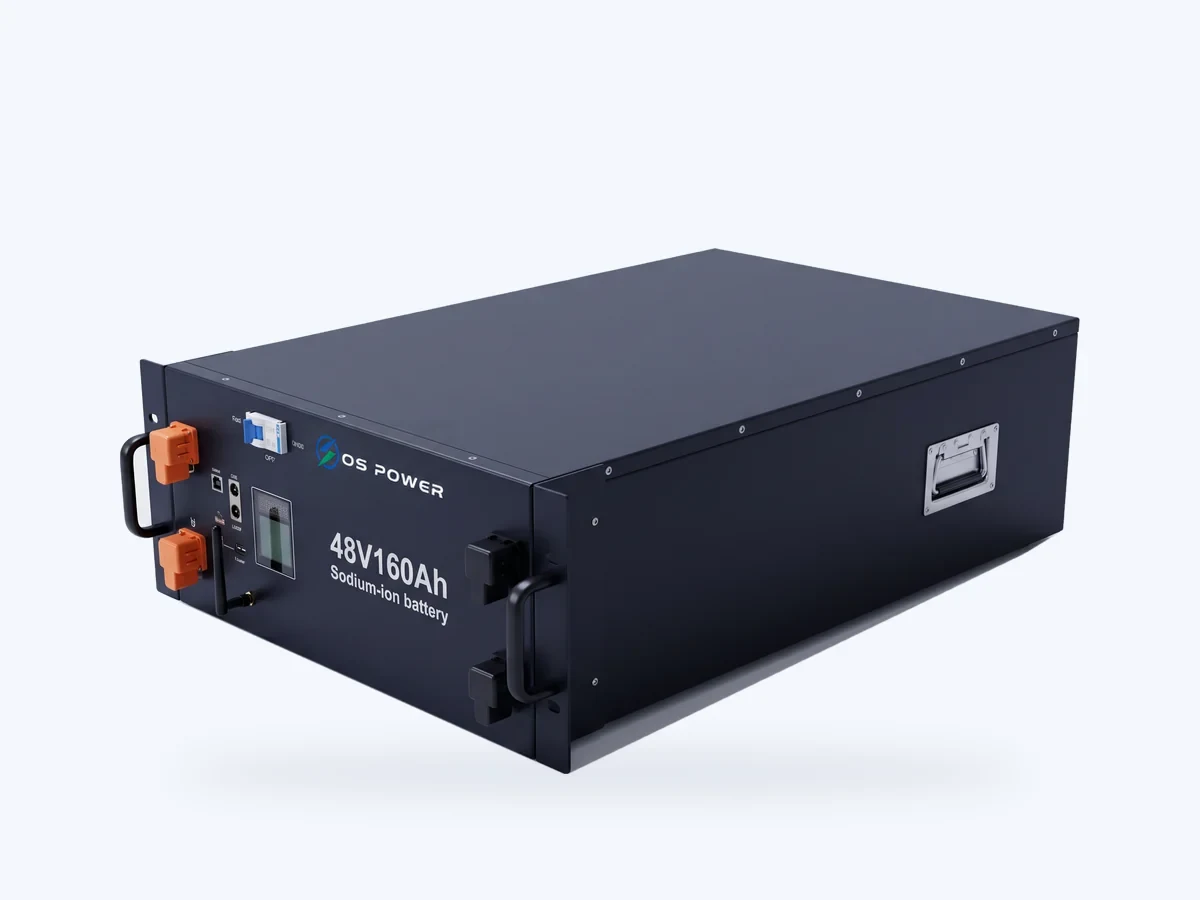
| Cycle life | 400-500 cycles | 3,000-6,000 cycles | 8,000+ cycles per module datasheet |
| Life with daily outages | about 1.5 years | 7-10 years | 12 years or more |
| Operation in heat without battery compartment air conditioning | cycle life drops by half | limited | up to +60 °C |
| Charge acceptance from a genset | slow, long top-up charge | fast | fast |
Fuel savings depend on the load profile, outage duration and genset condition; for a specific site we calculate based on the outage log.
Other scenarios
Replacing lead-acid batteries
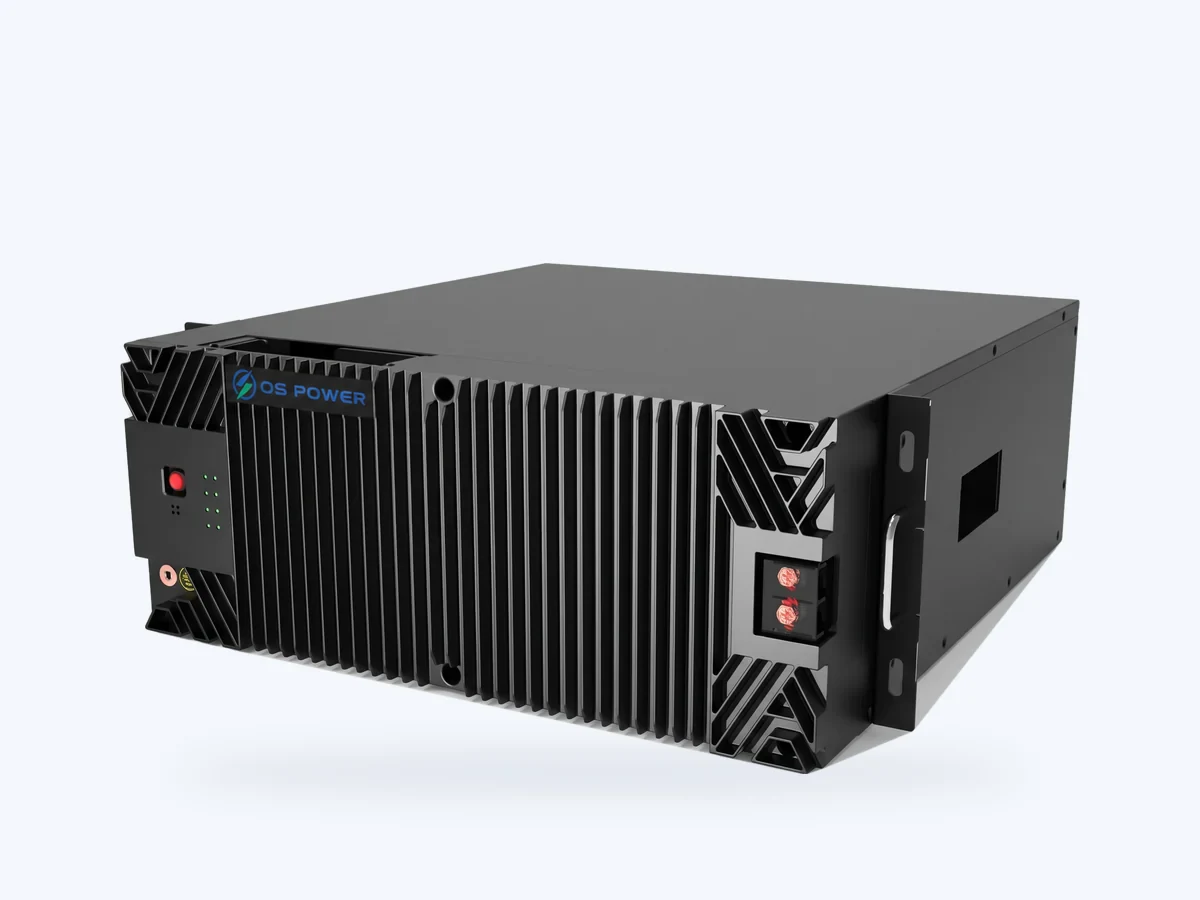
LFP lithium in the same 19-inch rack: 3-4 times lighter, no replacements over the service life, in stages.
Learn moreCold and heat
NFPP sodium charges from -20 °C and discharges at -40 °C without heating, operates up to +60 °C.
Learn moreOff-grid site
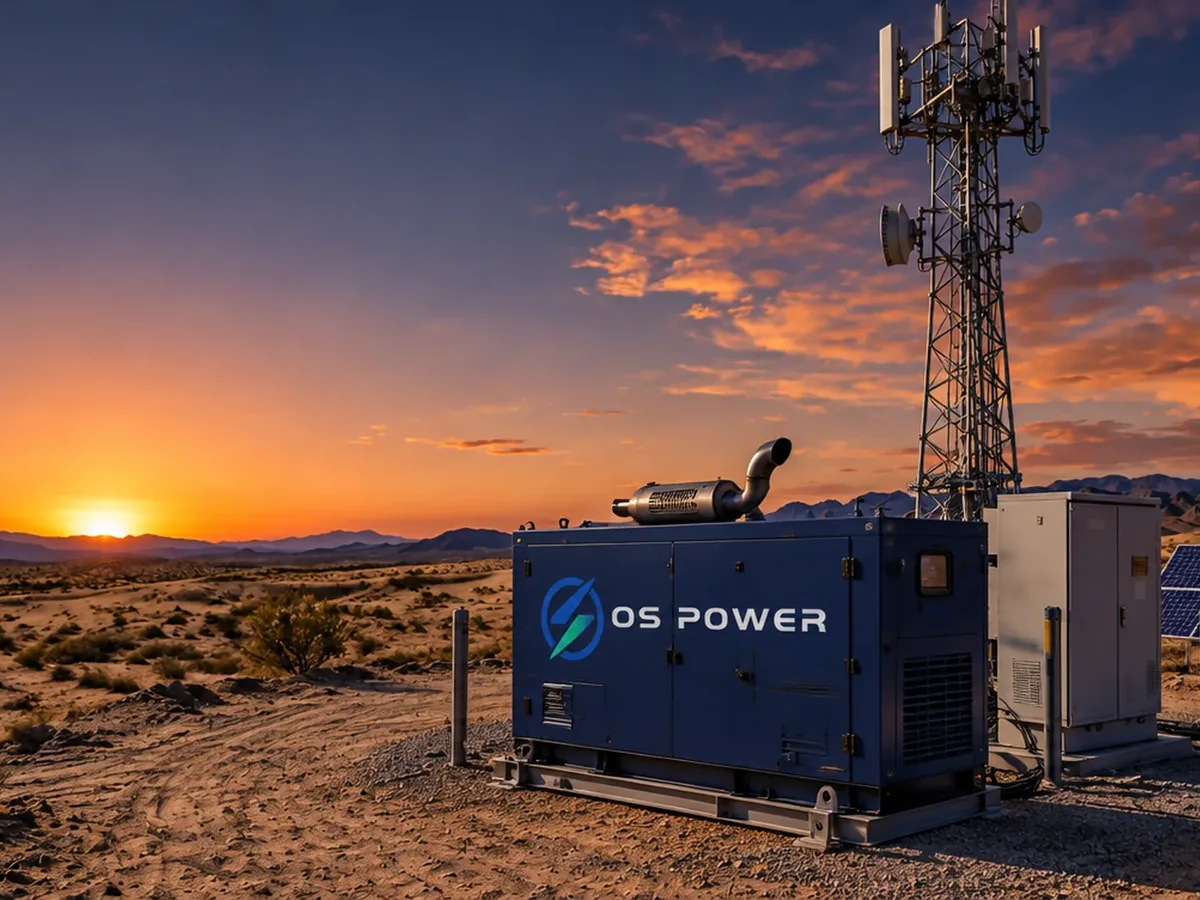
Genset, solar and storage in one cabinet: many times less fuel and fewer trips to the site.
Learn moreTheft protection
Software lock, displacement sensor and GPS: a stolen battery does not work and can be located.
Learn moreIntegrated cabinet instead of an equipment room
Power, batteries, climate control and space for radio equipment in one cabinet: 75 % less floor space.
Learn moreRequest
Tell us about your sites
Number and type of sites, climate, load, installed power system and what is currently in the battery compartment. We will reply with a preliminary configuration and pilot terms.