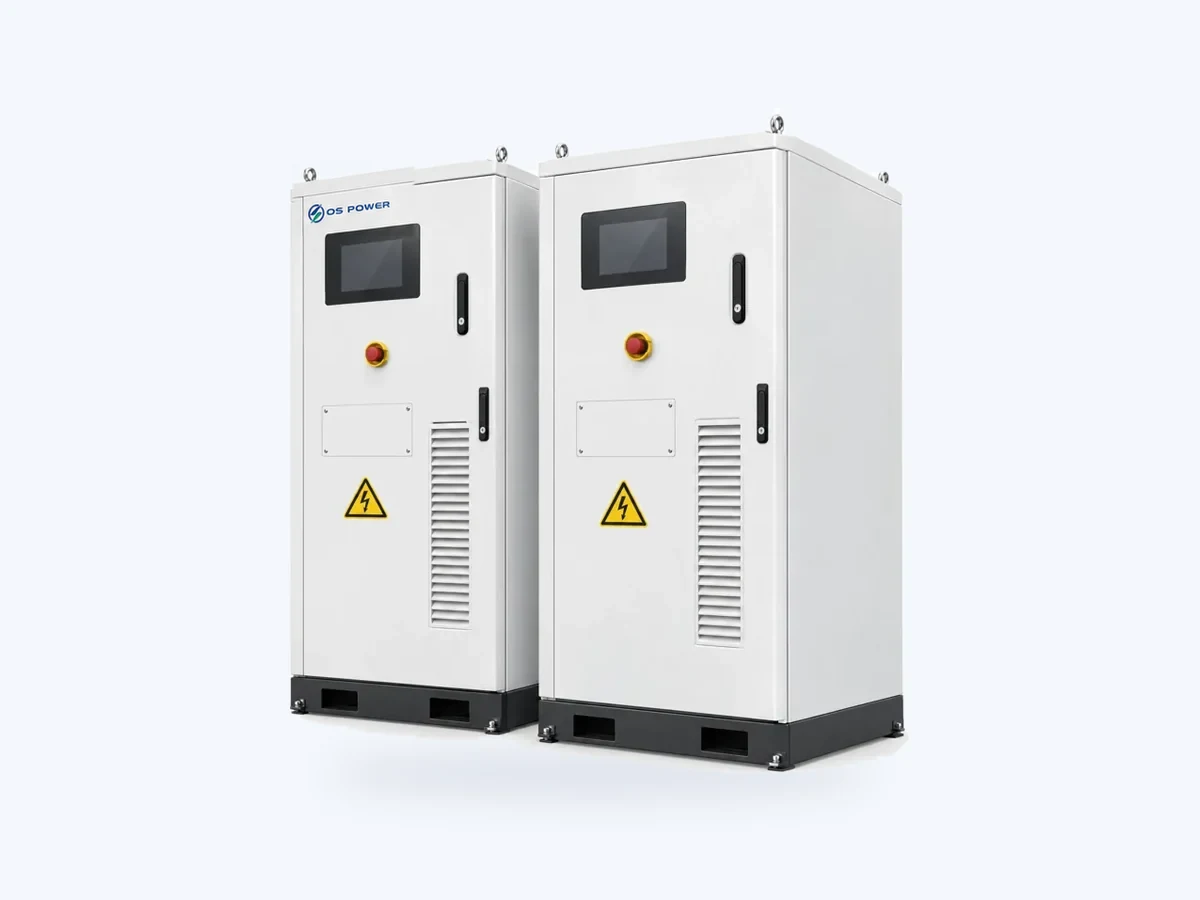
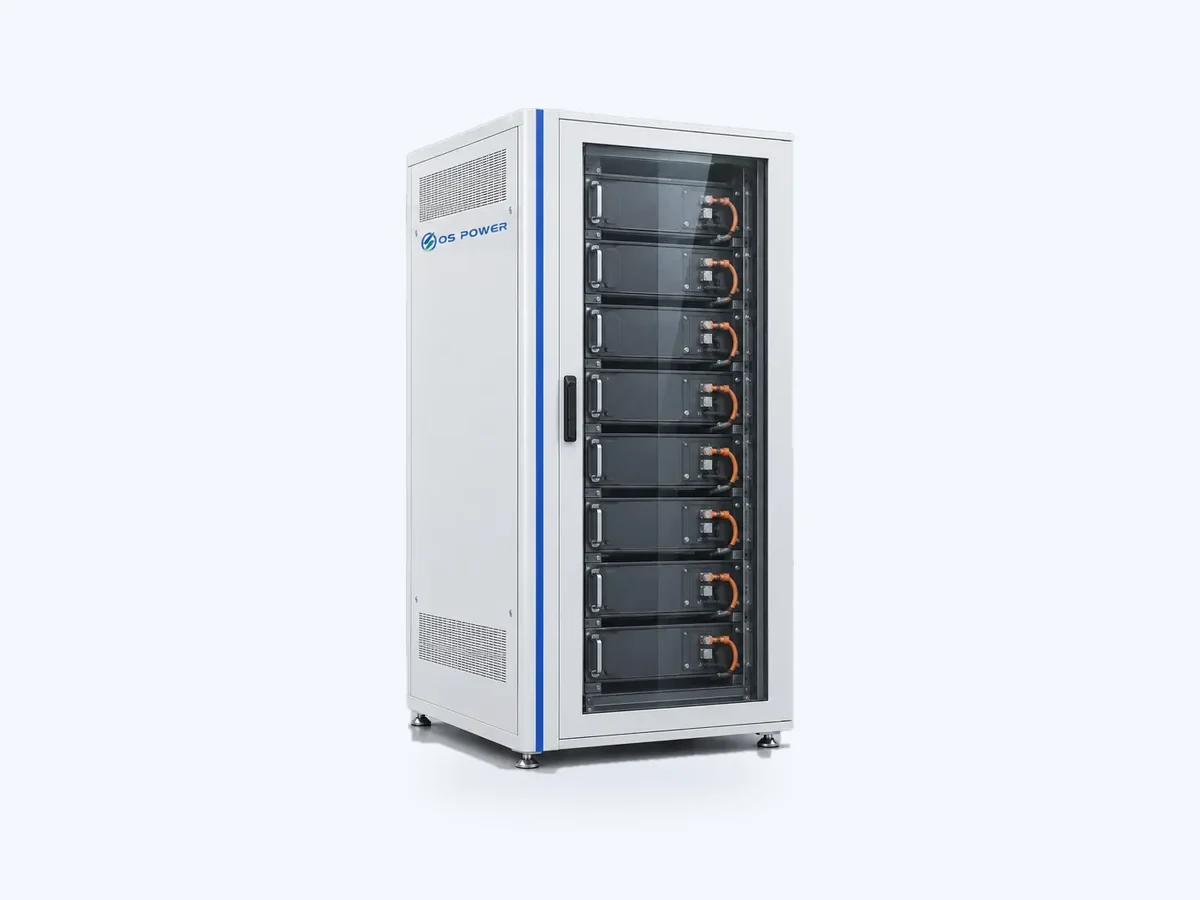
500 kVA UPS battery replacement
- Equipment
- sodium battery string instead of lead-acid
- Result
- project by the sodium battery manufacturer
Solution
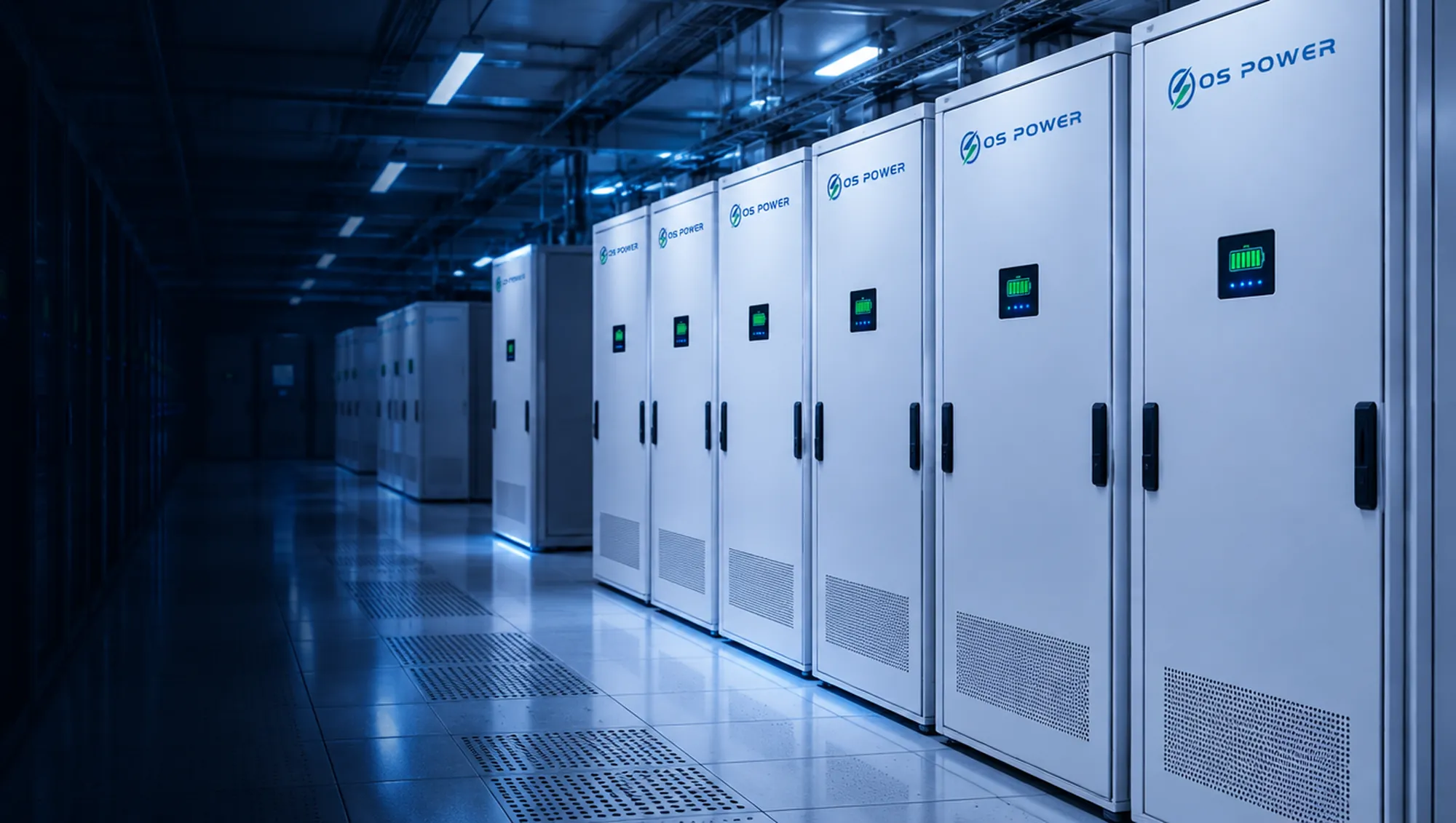
NFPP sodium batteries for data center UPS: replacing the lead-acid batteries of a hall without expanding the room, with extra backup time and a 15-year total cost of ownership calculation. For new sites - storage on the busbar that shaves peaks and carries the load until the gensets start.
Key figures
2-3 times
lighter than lead-acid batteries for the same energy, indicative
manufacturer dataover 15,000
NFPP cell cycles in factory tests
manufacturer data500 and 800 kVA
UPS battery replacement projects by the sodium battery manufacturer
manufacturer dataLead-acid batteries carry the hall for 10-15 minutes. Backup time cannot be increased in the same room: there is not enough space or floor load capacity.
Over 15 years the lead-acid battery string is replaced 2-3 times, with downtime and disposal.
Lead-acid requires about +20...+25 °C all year round; air conditioning the battery room is a separate cost item.
Computing clusters create sharp power steps that lead-acid batteries and the grid handle poorly.
Solution
We start with one hall: it is a test under real load and the first reference within your company.
The battery carries the load until the gensets start and synchronize.
| Parameter | Lead-acid (VRLA) | LFP lithium | NFPP sodium |
|---|---|---|---|
| Purchase price | lowest | higher than lead-acid | higher than lead-acid |
| Replacements over 15 years | 2-3 replacements (every 4-6 years) | replacement possible after 10-12 years | not expected once cycle life is confirmed |
| Battery room climate | strict, about +20...+25 °C | air conditioning | wider permissible range |
| Weight and footprint | largest | smaller | smaller |
| Condition monitoring | regular measurements | BMS and remote monitoring | BMS and remote monitoring |
Weight and footprint values are indicative, based on manufacturer data; exact weight, footprint and backup time are calculated for your UPS. The total cost of ownership comparison is qualitative, without absolute prices; NFPP cycle life in UPS float mode is confirmed by manufacturer test reports.
Footprint and weight
Sodium batteries are indicatively 2-3 times lighter than lead-acid for the same energy: the freed space can go to IT equipment or to longer backup in the same hall. The NFPP cathode is thermally stable: in published tests, thermal runaway of a sodium cell proceeds more slowly and at a lower peak temperature than LFP. This reduces risk but does not remove requirements: fire protection of the battery room is designed to code, as for lithium systems, and agreed with the insurer.
New sites
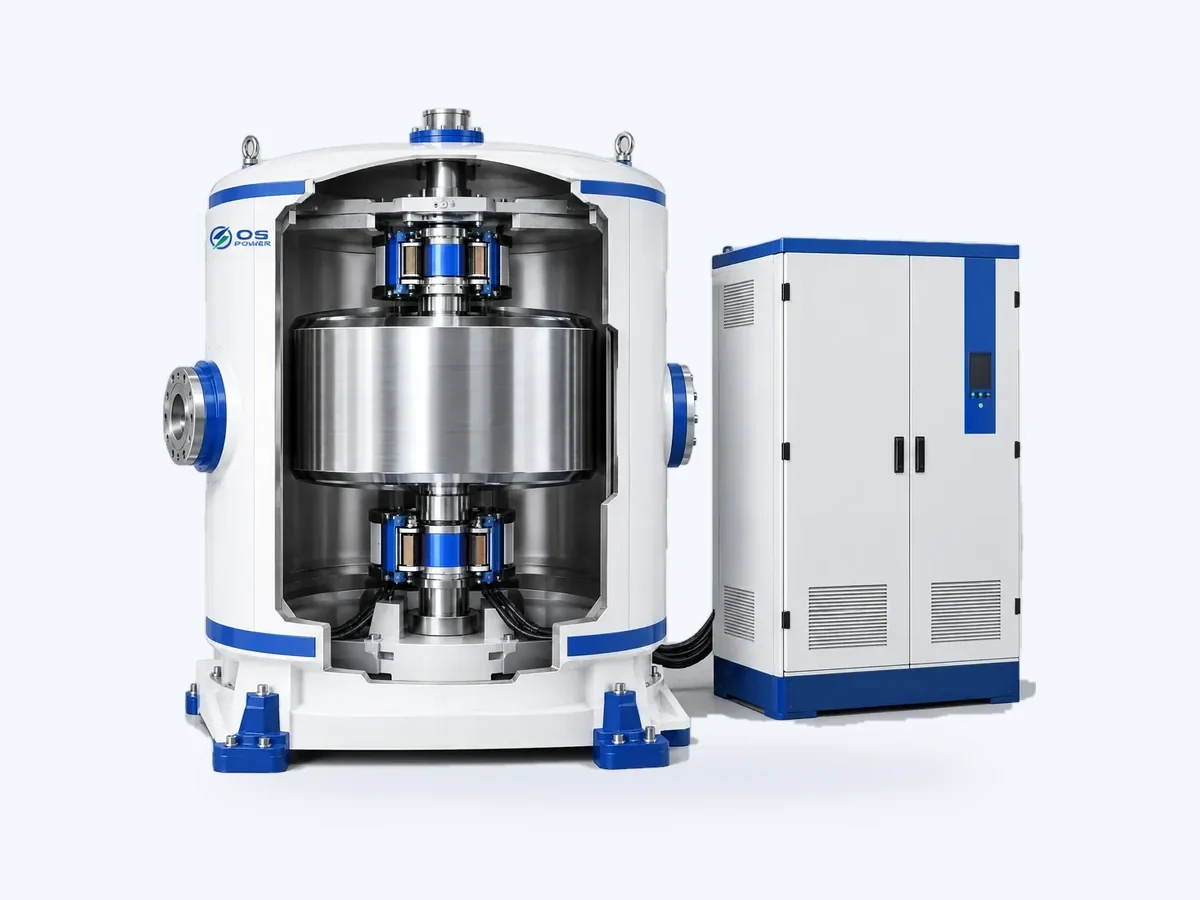
For new data centers and AI data centers we install OS Power storage on each main switchboard section: in normal mode it shaves peaks and compensates reactive power; on grid loss it switches to island mode within milliseconds and carries the load until the gensets start. In front of the racks, a supercapacitor buffer absorbs GPU power steps.
OEM
We supply sodium battery systems for your UPS: we align the DC bus voltage, charging currents and BMS data exchange, run joint tests and prepare documents for your customers. You offer a "UPS + battery" package, and we are responsible for the battery, certification and stock.
Data from the group's manufacturers and partners as of 10.2026. Customer names are not published.
Discharging during peak hours lowers billed capacity; charging at night lowers the energy bill.
Learn moreStorage covers the gap between allocated and required capacity while the grid is being upgraded.
Learn moreContainers up to 5 MWh for grid companies, solar and wind plants.
Learn more48 V LFP and NFPP modules and integrated cabinets for base stations.
Learn moreStorage, genset and solar for sites without a reliable grid.
Learn moreRequest
Peak and average load, hourly load profile for a year (if available), tariff and price category, site climate and the task: lower electricity costs, backup, grid connection or on-site generation. We will reply with a configuration, an indicative payback and a lead time.