
Safety
Safety from cell to site
Storage risk is addressed at every level: cell chemistry, battery management, cooling, fire suppression and site layout. We explain what is done at each level and how it is confirmed.
Levels of protection
Five levels of protection
1. Cell
LFP and NFPP chemistry without cobalt or nickel, with high thermal stability. During thermal runaway a sodium cell heats up more slowly and to a lower temperature than LFP.
2. Module and BMS
Voltage and temperature monitoring of every cell, three-level BMS, disconnection when limits are exceeded, fuses and contactors.
3. Cabinet and container
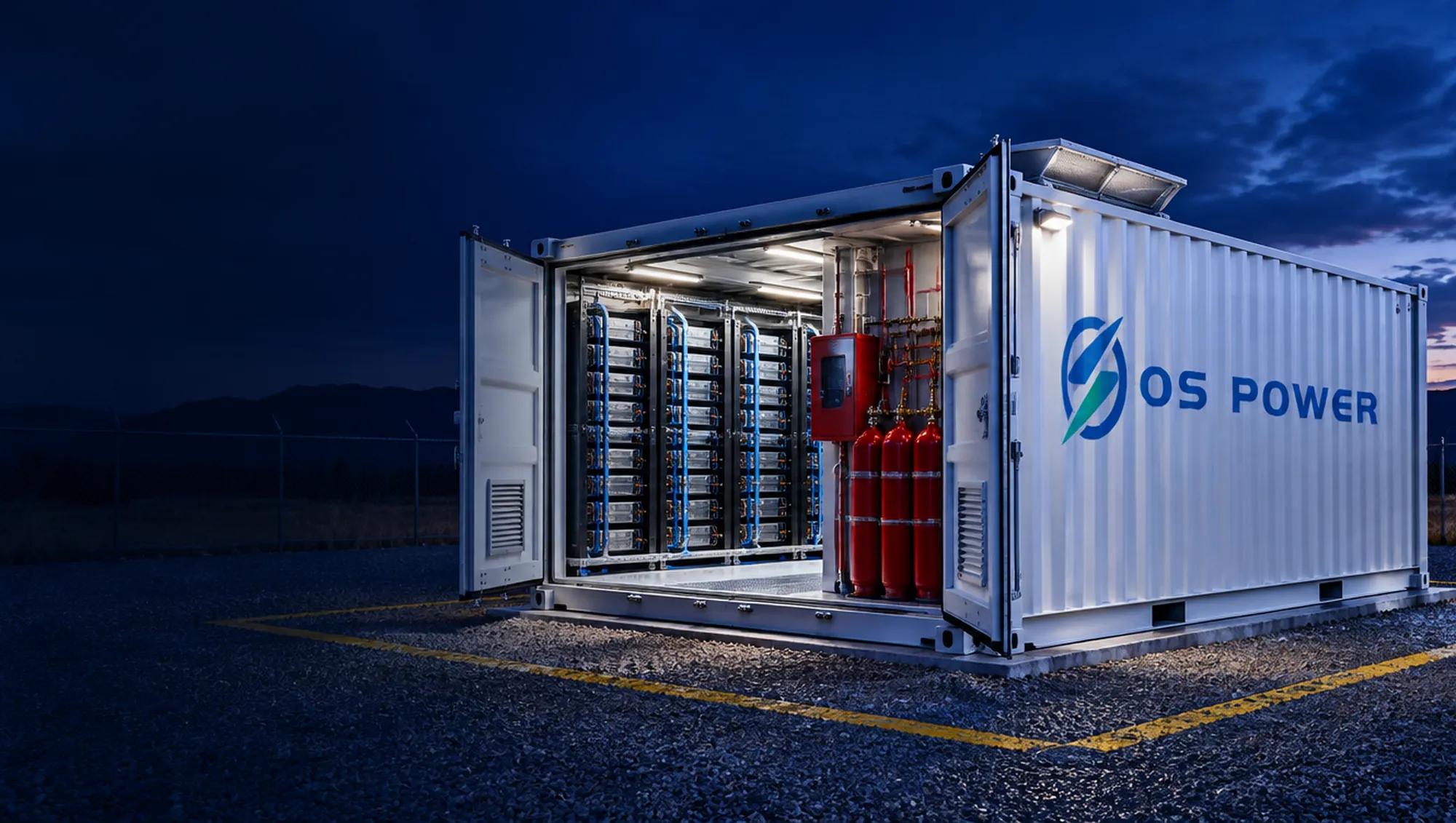
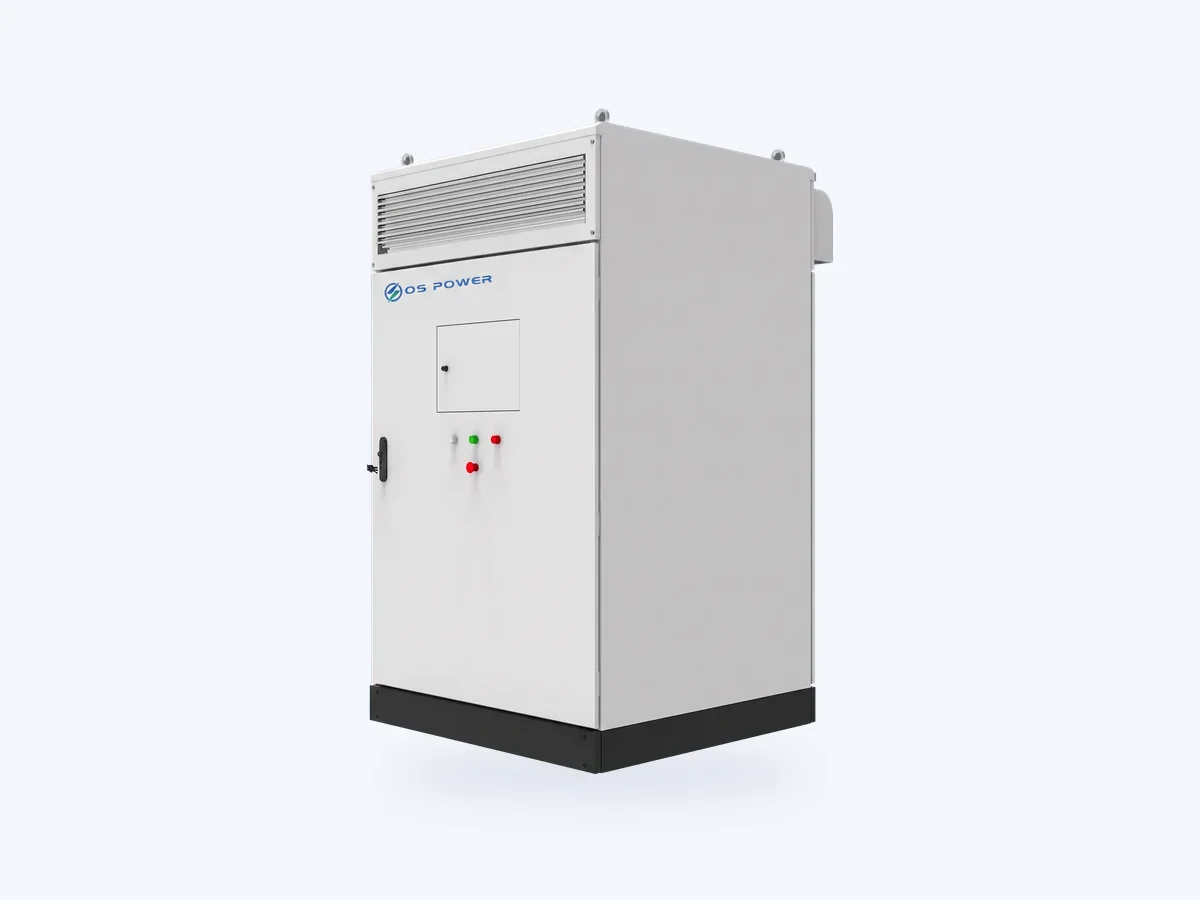
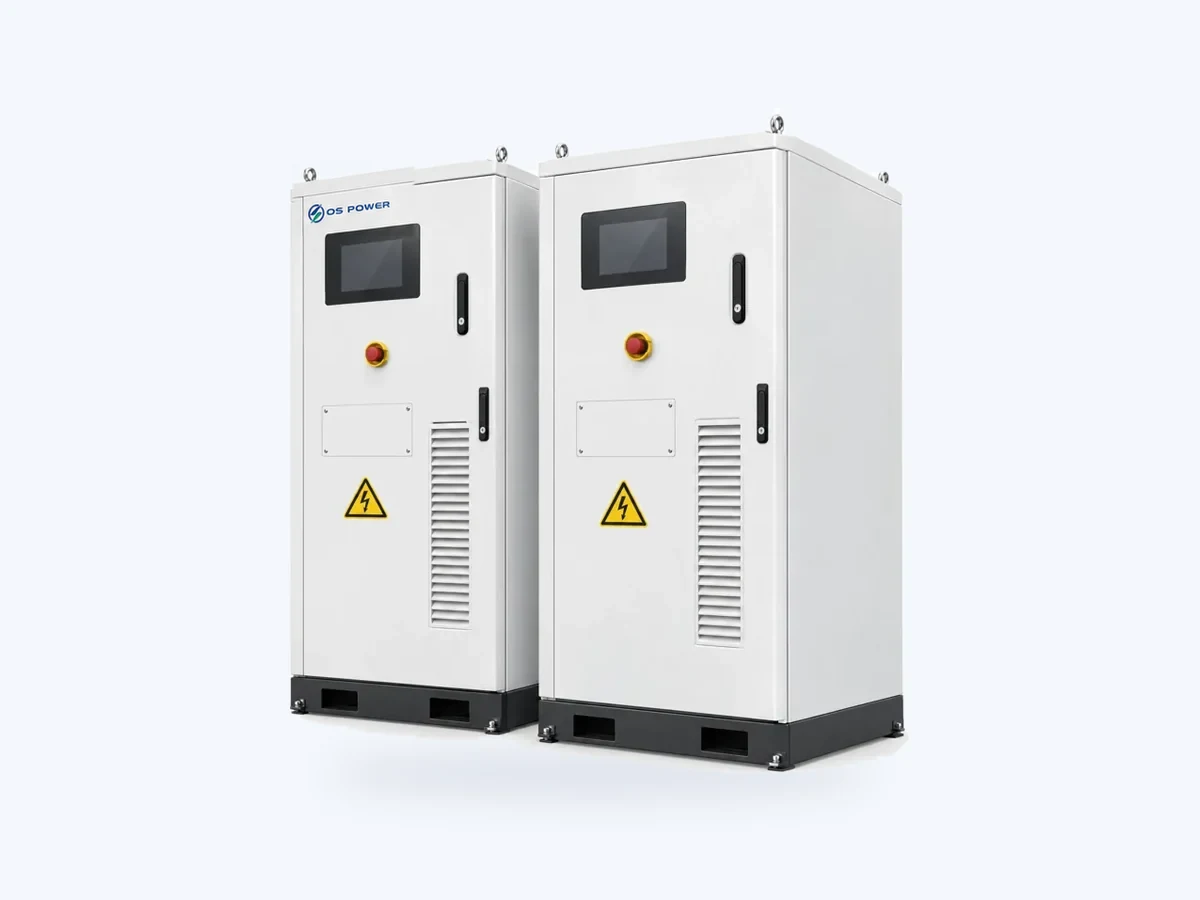
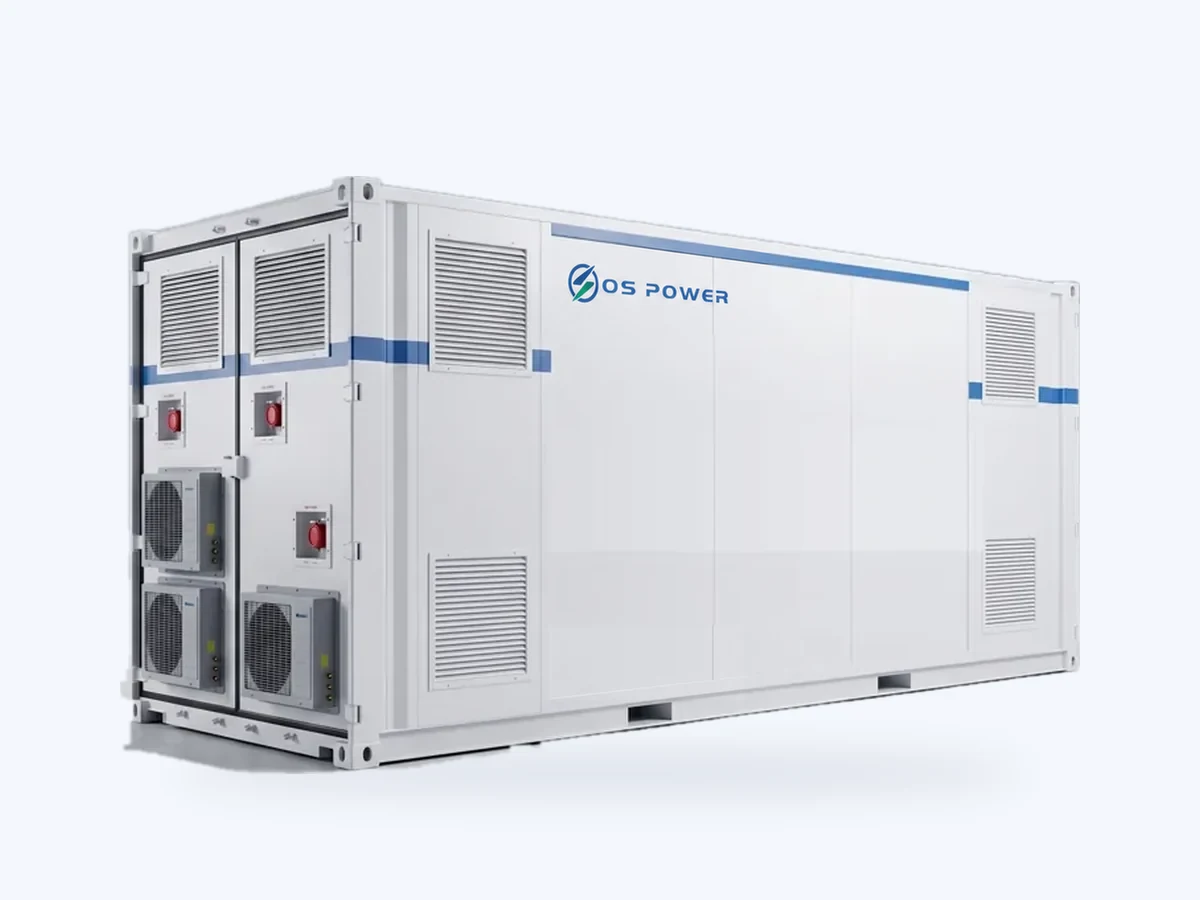
Thermal management, gas, smoke and temperature detectors, automatic fire suppression, and in containers pressure relief and ventilation.
4. Control system
EMS and remote monitoring: warnings before a failure, event log, disconnection on dispatcher command.
5. Site
Distances between units and to buildings, access roads, connection to the site alarm system - in line with national codes and insurer requirements.
Standards
How safety is confirmed
| Standard | What it covers | How we apply it |
|---|---|---|
| IEC 62619 | safety of industrial lithium batteries | certificates by model, in the datasheet |
| IEC 63056 | safety of batteries for energy storage systems | certificates by model, in the datasheet |
| GB/T 44265-2024 | sodium batteries for energy storage systems | 115 kWh sodium cabinet |
| UL 9540A | test method for thermal runaway propagation | manufacturer test reports on request |
| UN 38.3 | transport safety | for modules and cells |
| NFPA 855 | installation of energy storage systems on site | design reference together with national codes |
| TR CU 004/2011 and 020/2011 | safety and electromagnetic compatibility in the EAEU | conformity assessment, the applicant is the group's Russian company |
The list of certificates depends on the model; the current list is sent together with the datasheet. A standard listed in the table does not mean a certificate for every model.
Sodium
Why NFPP is safer
The sodium iron pyrophosphate cathode is thermally stable. In published tests, thermal runaway of a sodium cell proceeds more slowly and at a lower peak temperature than LFP. Sodium cells can be transported and stored fully discharged to zero. This reduces risk but does not remove requirements: fire protection is designed to code, as for lithium systems.
Fire protection
What fire protection includes
- Gas, smoke and temperature detectors in every battery compartment.
- Automatic fire suppression at cabinet or container level; the 261 kWh cabinet has three levels of fire suppression.
- Pressure relief and ventilation in containers.
- Emergency shutdown and signal transmission to the site alarm system.
- Site layout design and agreement with the insurer are part of the supply scope.


Request
Tell us about your site
Peak and average load, hourly load profile for a year (if available), tariff and price category, site climate and the task: lower electricity costs, backup, grid connection or on-site generation. We will reply with a configuration, an indicative payback and a lead time.