Large grid-scale sodium project
- Equipment
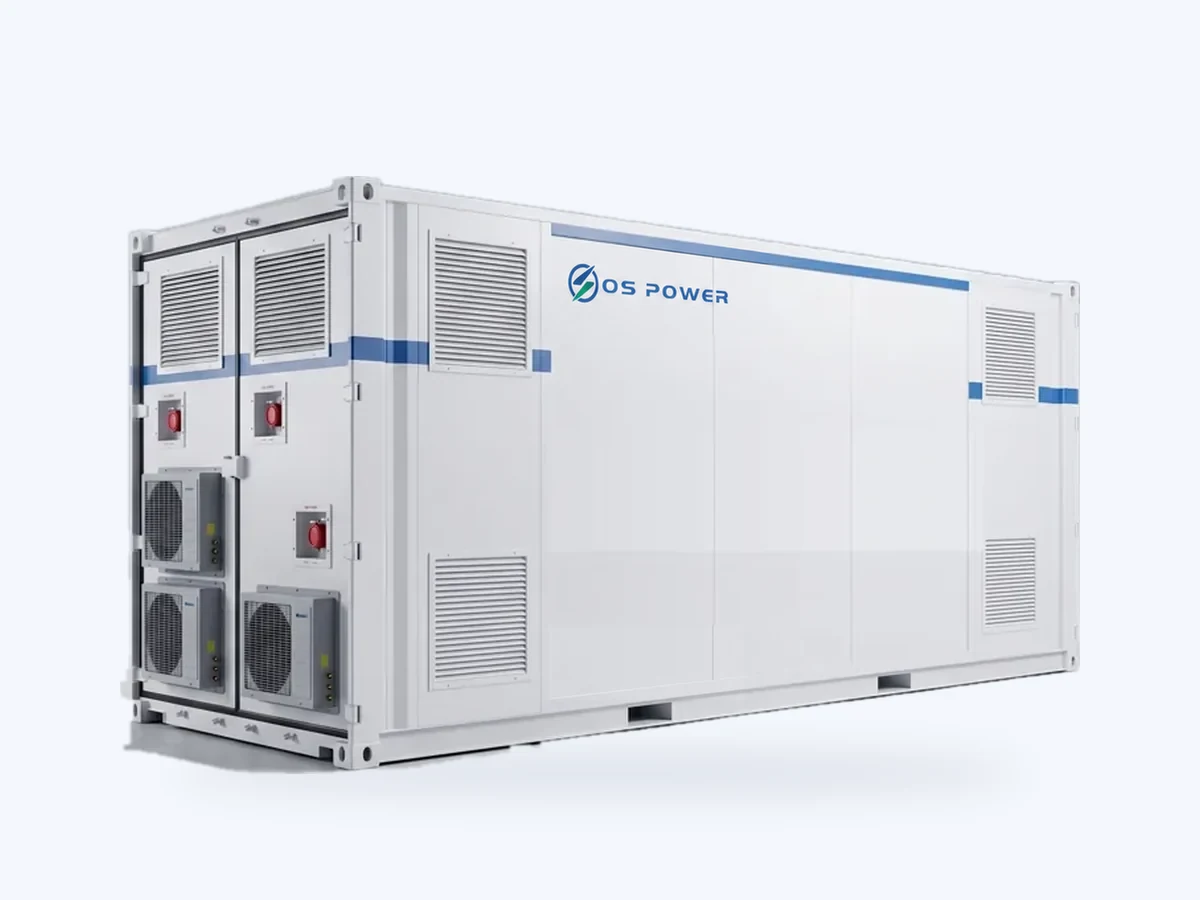
- sodium containers of the same class as the OS Power 2.4 MWh sodium container
- Result
- operation as part of the power system
Solution
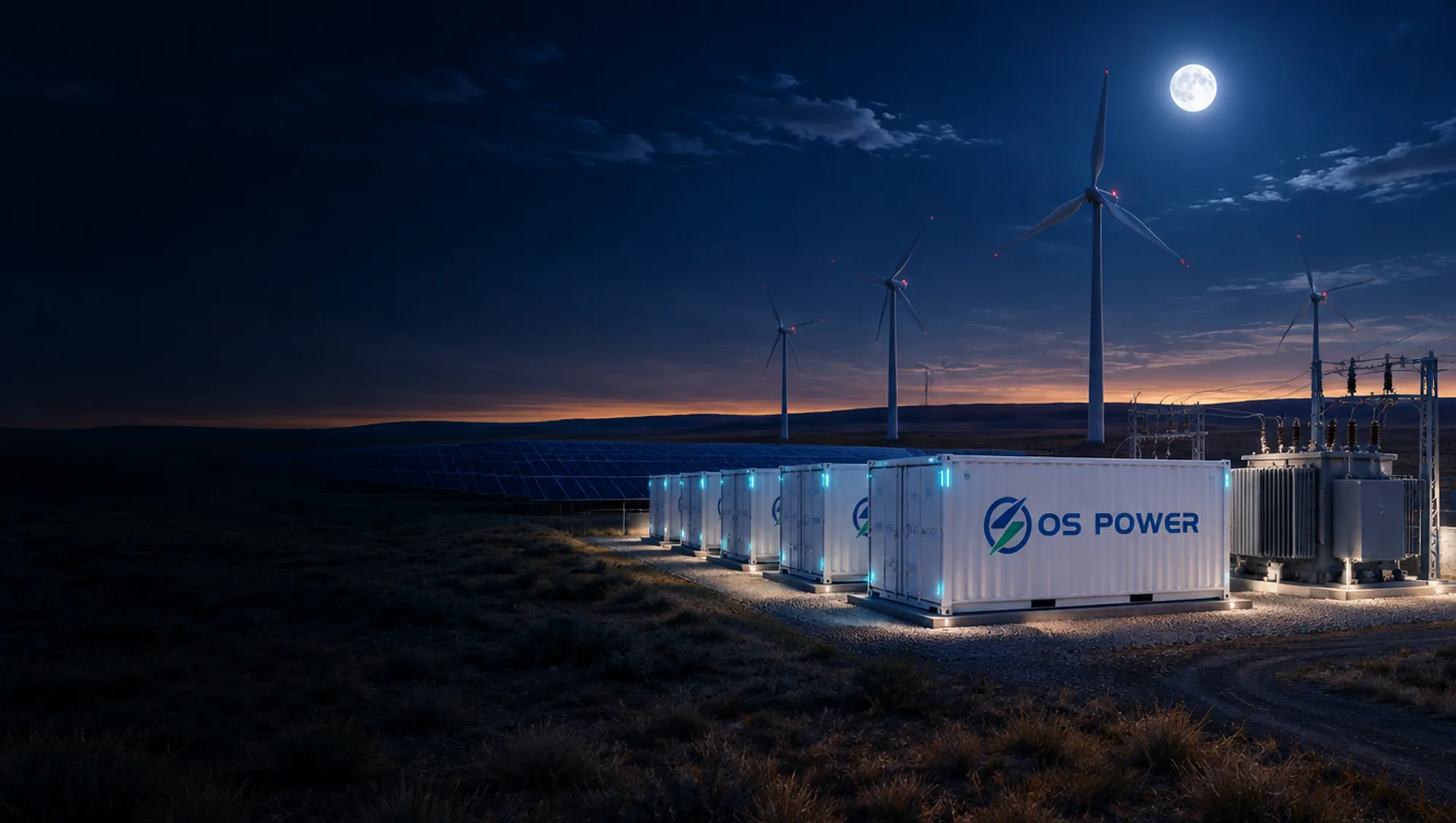
Lithium and sodium containers up to 5 MWh for grid companies, solar and wind plants. Output smoothing, shifting energy to the evening, primary frequency control and capacity reserve in the grid node.
Key figures
5,016 kWh
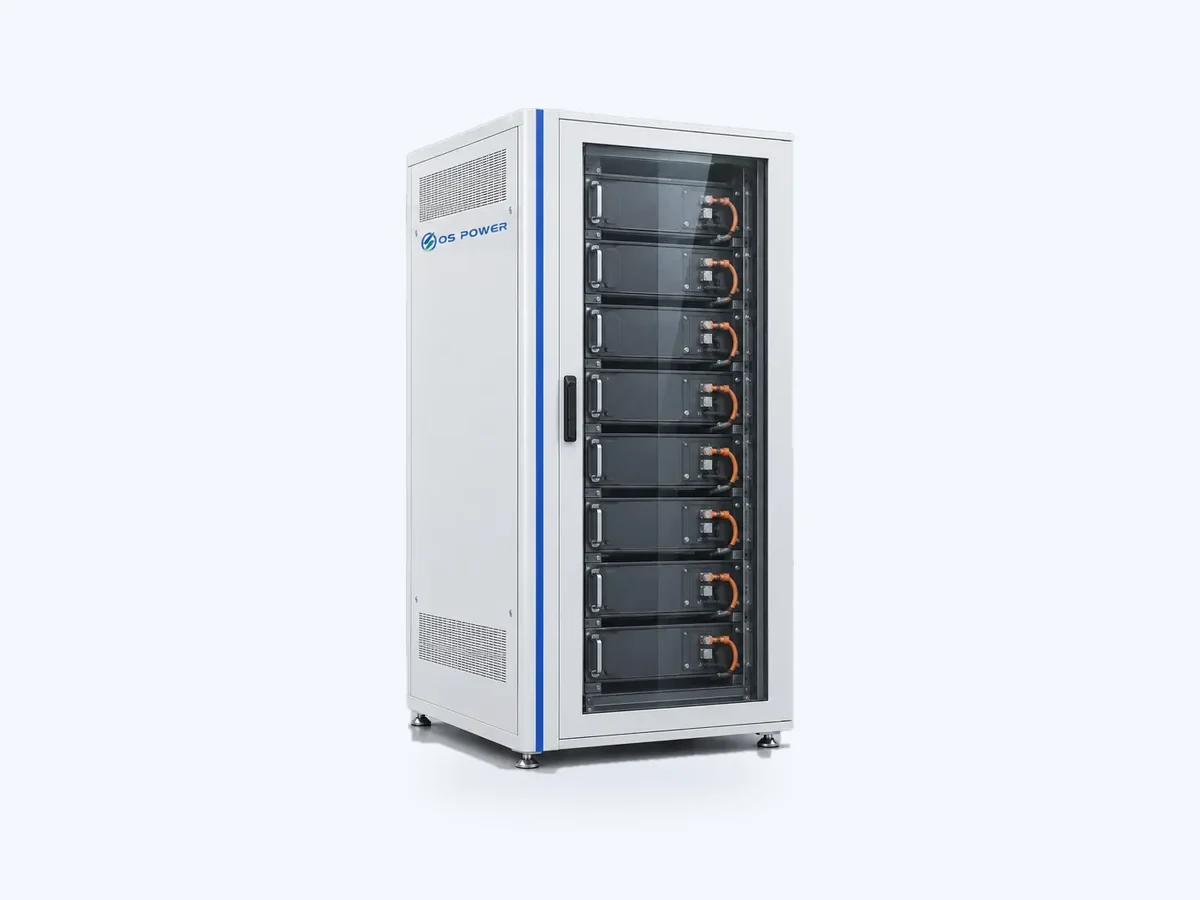
energy of the LFP container, 2.5 MW power (0.5P)
manufacturer data2,396 kWh
NFPP sodium container, 1.25 MW power with PCS
manufacturer dataIEC 104, IEC 61850
communication protocols with dispatch systems
manufacturer dataSolar and wind output changes within minutes, while the grid requires a smooth schedule and a limited ramp rate.
The sun delivers energy during the day, but consumption rises in the evening. Without storage the surplus is curtailed.
Since 2026 grid-scale storage in Russia participates in general primary frequency control.
Overloaded substations and lines need a capacity reserve in the node without building new networks.
Solution
Containers with power converters and a control system operate on the dispatcher's schedule and on frequency control commands.
The storage delivers energy on schedule and participates in frequency control.
| Task | Storage mode | Duration |
|---|---|---|
| Renewable output smoothing | compensating fluctuations, limiting the ramp rate | seconds and minutes |
| Energy shifting | charging during the day, delivering in the evening | 2-4 hours |
| Primary frequency control | power change in response to frequency deviation | seconds and minutes |
| Capacity reserve in the node | delivery during overload or line outage | up to several hours |
| Black start | starting an isolated section from the storage | per project |
Participation in frequency control and communication protocols are agreed with the system operator and the grid company for each project. As of 10.2026 there is no separate payment for general primary frequency control in Russia, so this mode is not included in project economics.
Sodium in the grid
A sodium container in an insulated version with heating is chosen for sites with severe winters, for facilities close to residential areas and where cycle life under frequent short control cycles matters. For daily energy shifting at the lowest cost per kilowatt-hour, LFP is chosen more often. We compare both for your operating mode in the calculation.
Data from the group's manufacturers and partners as of 10.2026. Customer names are not published.
Discharging during peak hours lowers billed capacity; charging at night lowers the energy bill.
Learn moreStorage covers the gap between allocated and required capacity while the grid is being upgraded.
Learn moreNFPP sodium batteries instead of lead-acid: hours of backup in the same hall.
Learn more48 V LFP and NFPP modules and integrated cabinets for base stations.
Learn moreStorage, genset and solar for sites without a reliable grid.
Learn moreRequest
Peak and average load, hourly load profile for a year (if available), tariff and price category, site climate and the task: lower electricity costs, backup, grid connection or on-site generation. We will reply with a configuration, an indicative payback and a lead time.