

Scenario
Base stations in frost and heat
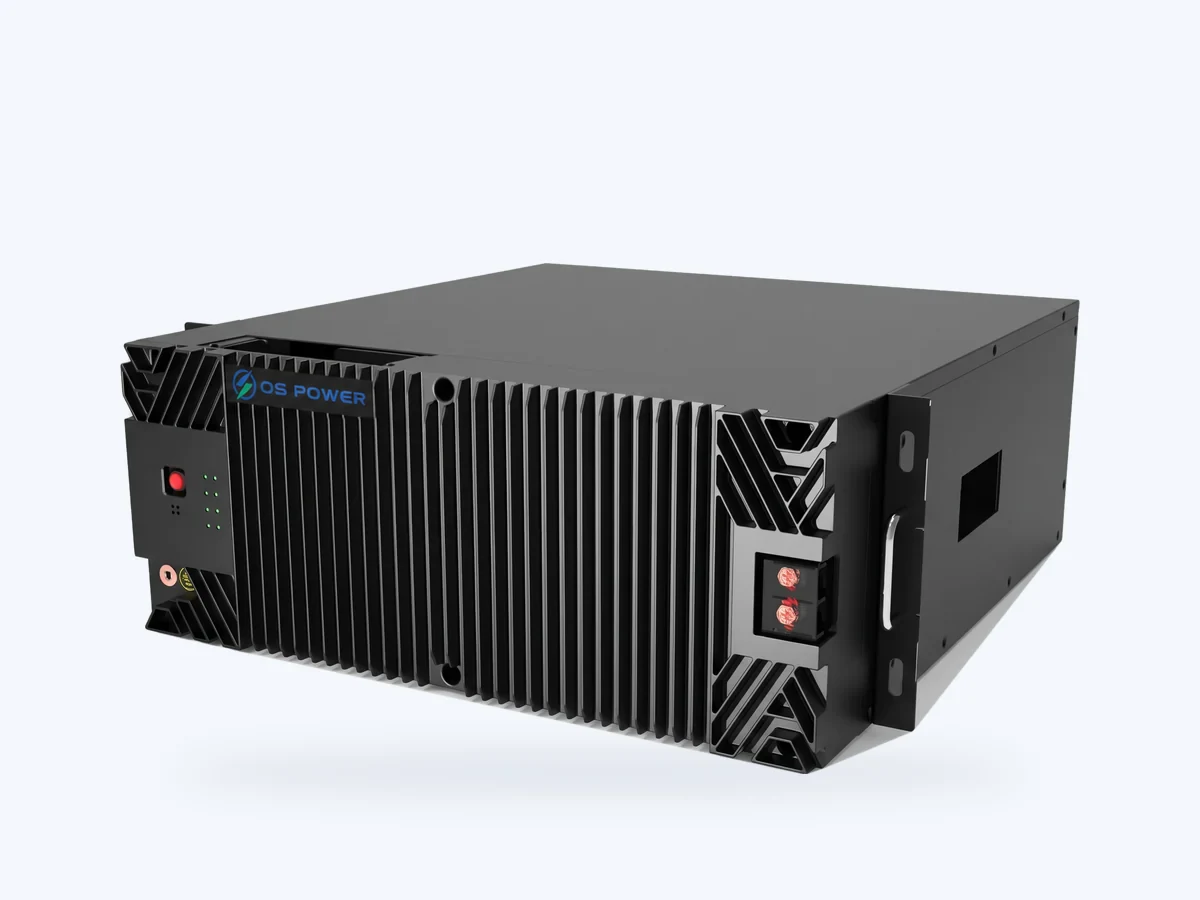
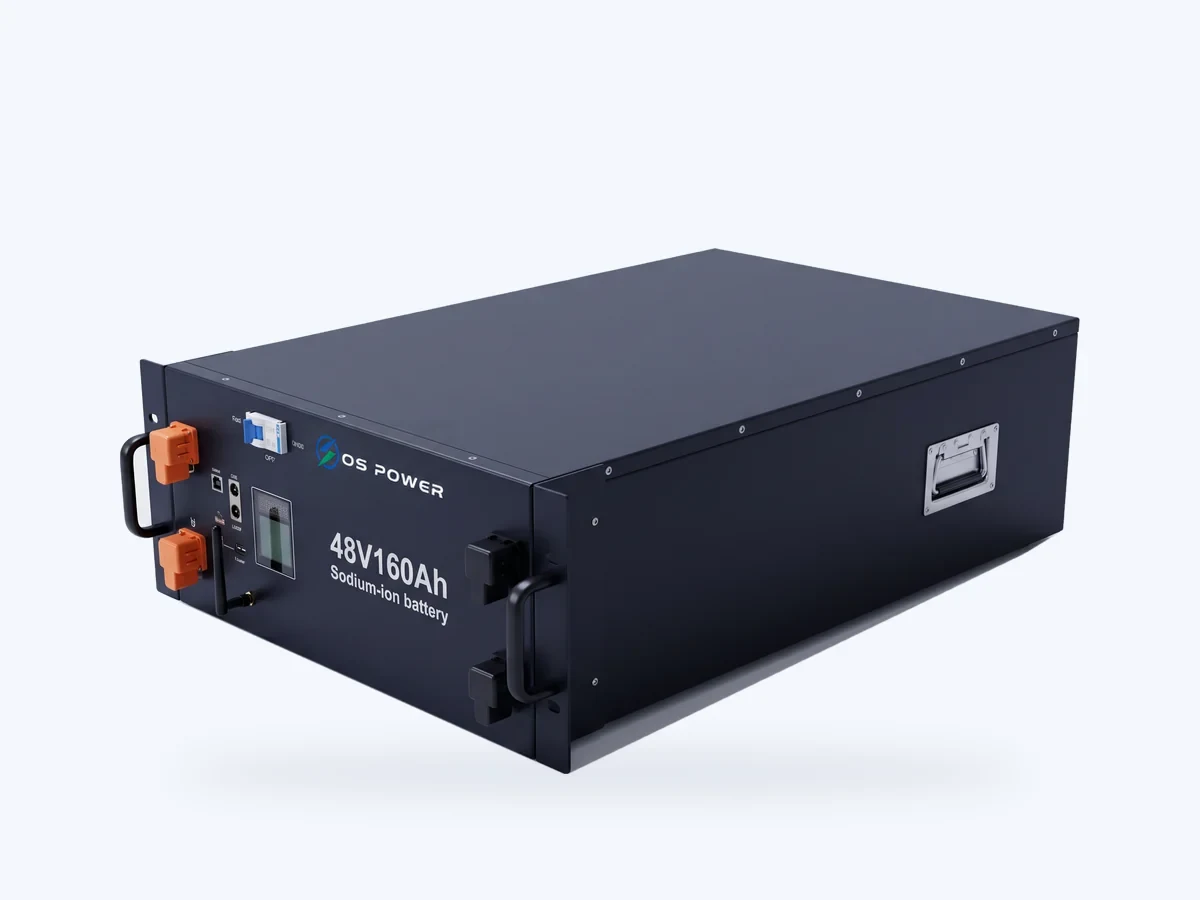
A lithium battery cannot be charged below 0 °C without heating, lead-acid loses more than half of its capacity in frost, and in heat both technologies age quickly. The NFPP 48 V sodium module discharges at -40 °C, charges from -20 °C and operates up to +60 °C without heating or air conditioning of the battery compartment.
Effect
93 %
capacity at -20 °C and 80 % at -40 °C without heating
cell manufacturer datafrom -20 °C
charging without heating: the site recovers after a winter outage
module datasheet0 kWh
for battery compartment heating in winter
OS Power calculationWhat happens to a battery in frost and heat
Lithium does not charge in frost
Charging LFP below 0 °C without heating is not permitted. If the heater fails, the battery will not recharge after an outage, and the next outage will take the station down.
Lead-acid loses capacity
At -20...-30 °C a lead-acid battery delivers about 40 % of its capacity. To keep the same autonomy, a kit twice as large is installed.
Heating and air conditioning consume energy
Battery compartment climate control consumes hundreds of kilowatt-hours per year and itself becomes a point of failure.
Heat shortens cycle life
Every 10 degrees above +25 °C roughly halves the service life of lead-acid.
Solution
How it works
NFPP sodium chemistry retains capacity in frost and needs no heating for charging. For heat - sodium without battery compartment air conditioning, or LFP in a climate-controlled cabinet.
- Determine the site climateMinimum and maximum temperature in the cabinet, duration of frost periods, outage frequency.
- Select the chemistryNFPP - for outdoor cabinets without reliable heating and for heat; LFP - for heated equipment rooms and cabinets with working climate control.
- Agree settings with the power systemThe NFPP voltage window differs from LFP: charge and disconnect settings are configured for the operator's controller.
- Verify in a winter pilotPilot at 1-3 outdoor sites with a cycle and temperature report.
- primary source
- backup
- unstable
- not available
Sodium needs no heating for charging: all energy goes to the load.
Three technologies in frost and heat
| Parameter | Lead-acid | LFP lithium | NFPP sodium |
|---|---|---|---|
| Available capacity at -20 °C | about 40 % | about 65 % | 93 % |
| Available capacity at -40 °C | about 25 % | does not operate | 80 % |
| Charging in frost | limited | only with heating | from -20 °C |
| Upper operating limit | +55 °C | +60 °C | +60 °C (cell up to +70 °C) |
| Battery compartment heating or air conditioning | insulation and heating | heating below 0 °C, air conditioning in heat | not needed up to +45 °C, ventilation in heat |
NFPP values - per cell manufacturer data and module datasheet; LFP and lead-acid batteries - typical industry values.
Compare LFP, NFPP and lead-acid at temperatures from -40 to +70 °C

Other scenarios
Replacing lead-acid batteries
LFP lithium in the same 19-inch rack: 3-4 times lighter, no replacements over the service life, in stages.
Learn moreLong outages and a poor grid
The battery carries the load, the genset runs in short, efficient cycles based on state of charge.
Learn moreOff-grid site
Genset, solar and storage in one cabinet: many times less fuel and fewer trips to the site.
Learn moreTheft protection
Software lock, displacement sensor and GPS: a stolen battery does not work and can be located.
Learn moreIntegrated cabinet instead of an equipment room
Power, batteries, climate control and space for radio equipment in one cabinet: 75 % less floor space.
Learn moreRequest
Tell us about your sites
Number and type of sites, climate, load, installed power system and what is currently in the battery compartment. We will reply with a preliminary configuration and pilot terms.