
Scenario
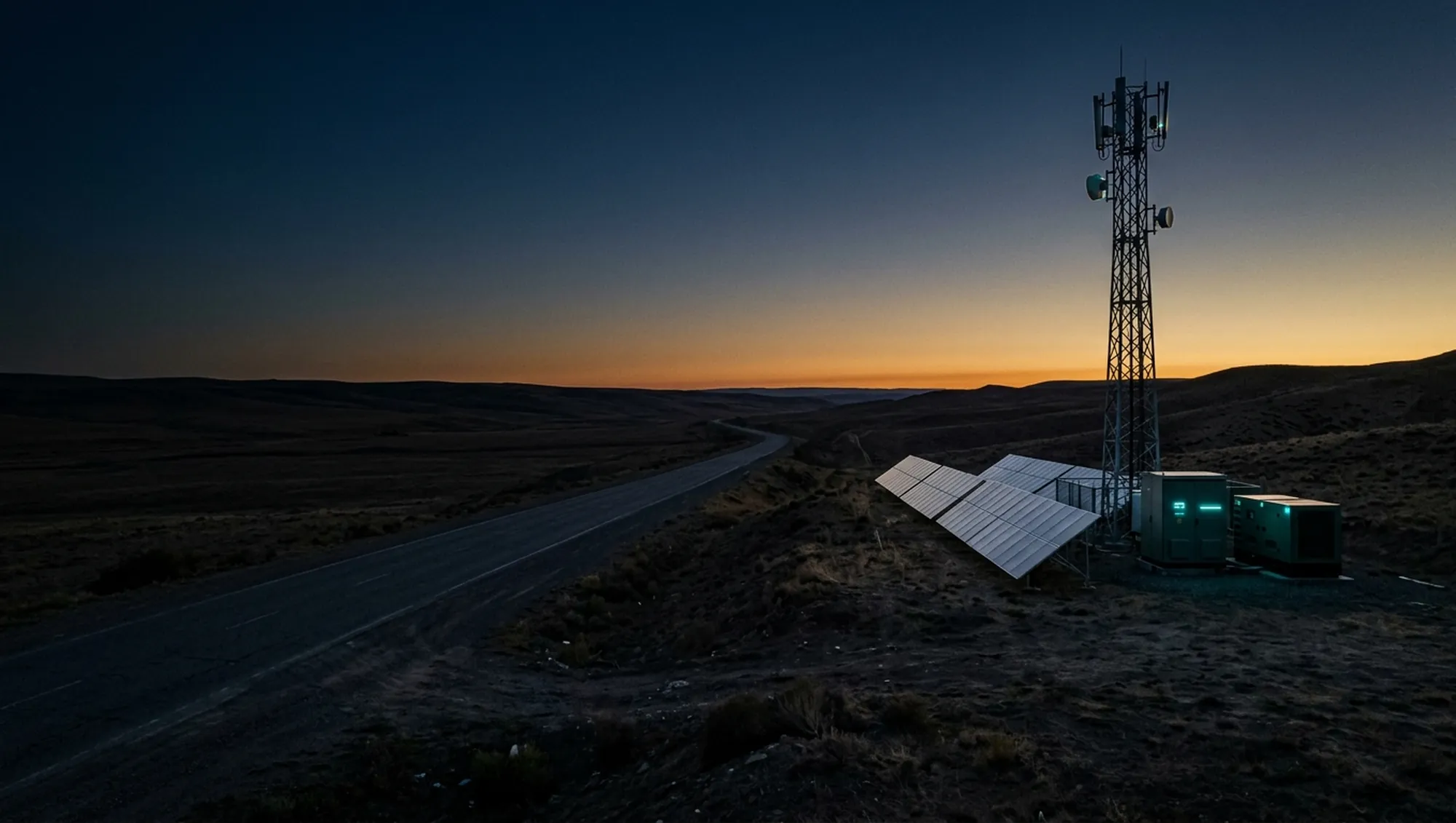
Off-grid site without a grid connection
Bringing the grid to a station on a highway or in a remote village is expensive and slow, and a site running on a genset alone requires regular fuel trips. A hybrid of genset, solar panels and storage reduces fuel and site visits.
Effect
up to 3 sources
grid, genset and solar at the input of a single cabinet
cabinet manufacturer dataup to 36 kW
power system capacity of the multi-service cabinet
cabinet manufacturer datamany times
fewer genset running hours and fuel trips
estimate based on site profileWhy a genset-only site is expensive
Fuel and logistics
A genset carrying the base station load around the clock requires regular fuel delivery over rough terrain.
Wear and maintenance
Running at low load accelerates wear, and maintenance by running hours requires frequent site visits.
Grid connection
Building a line to a remote site costs more than the site itself and takes months.
No visibility
Remaining fuel, genset operation and battery condition are unknown until the crew arrives.
Solution
How it works
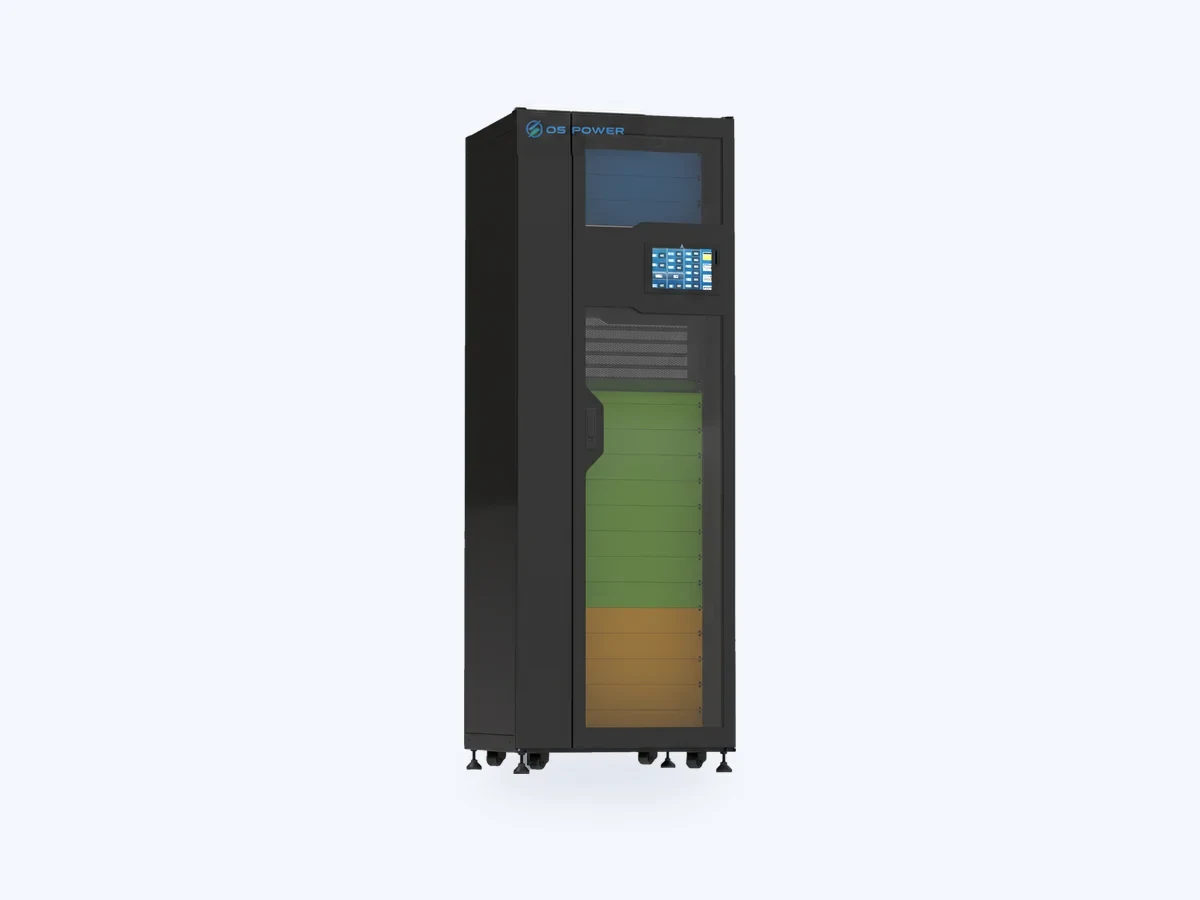
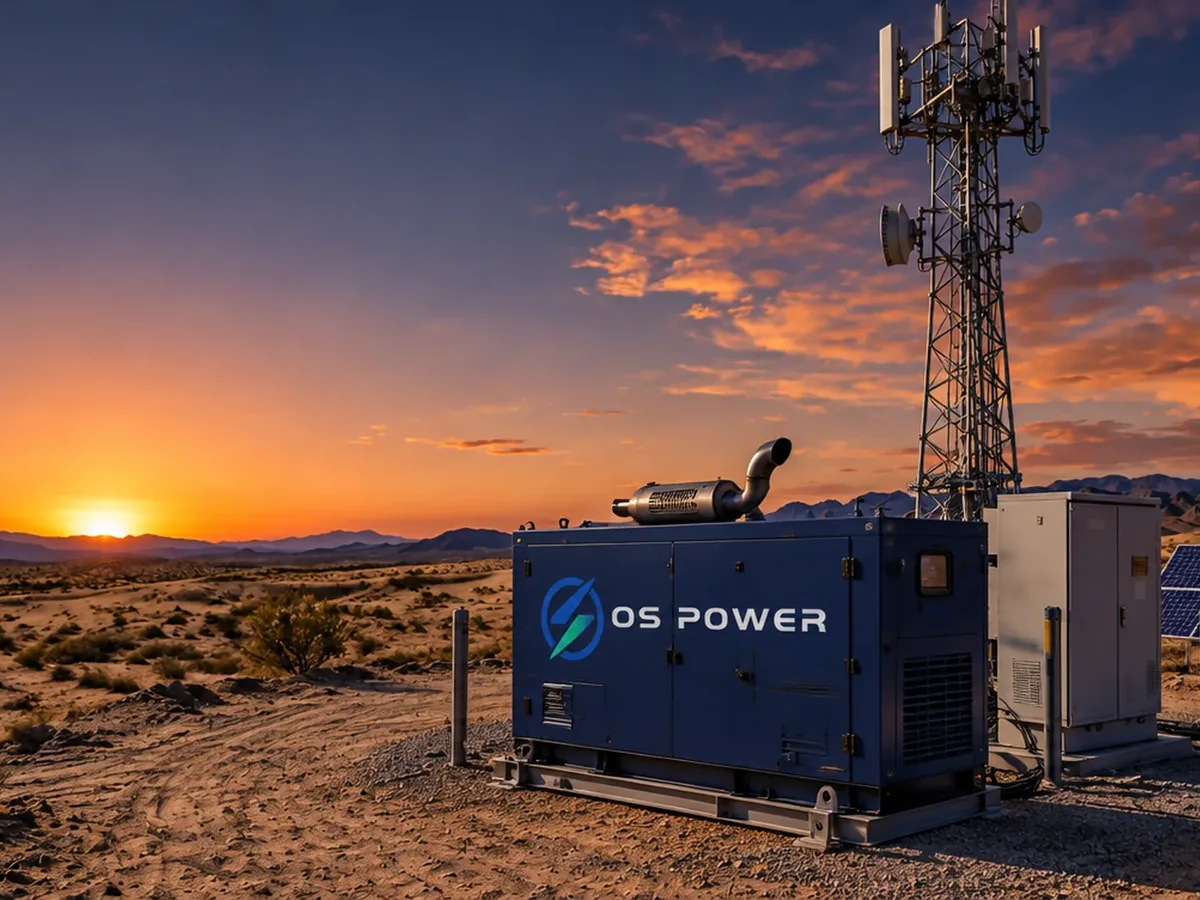
A multi-service cabinet with a power system for genset and solar inputs and sodium storage for daily cycling. Solar charges the battery during the day, the genset starts only during prolonged cloud cover and at low charge.
- DaySolar panels supply the load and charge the battery.
- NightThe battery carries the load. The genset is off.
- Cloud cover or winterWhen the charge drops to the threshold, the genset starts, supplies the load and charges the battery at rated power.
- Remote monitoringSource operation, battery charge, remaining fuel and alarms are visible in the monitoring system.
- primary source
- backup
- unstable
- not available
The genset becomes a backup for winter and cloud cover, not the primary source.
The configuration is selected based on the site profile
| Input data | What it determines |
|---|---|
| Base station load, kW, and its hourly profile | power system capacity, storage capacity |
| Site latitude and climate, sunshine hours by month | solar panel capacity, genset winter mode |
| Site access and cost of a fuel trip | tank volume, genset start threshold |
| Required autonomy without the genset | storage capacity |
The effect on fuel and trips is determined by a calculation based on the load profile and site climate.

Other scenarios
Replacing lead-acid batteries
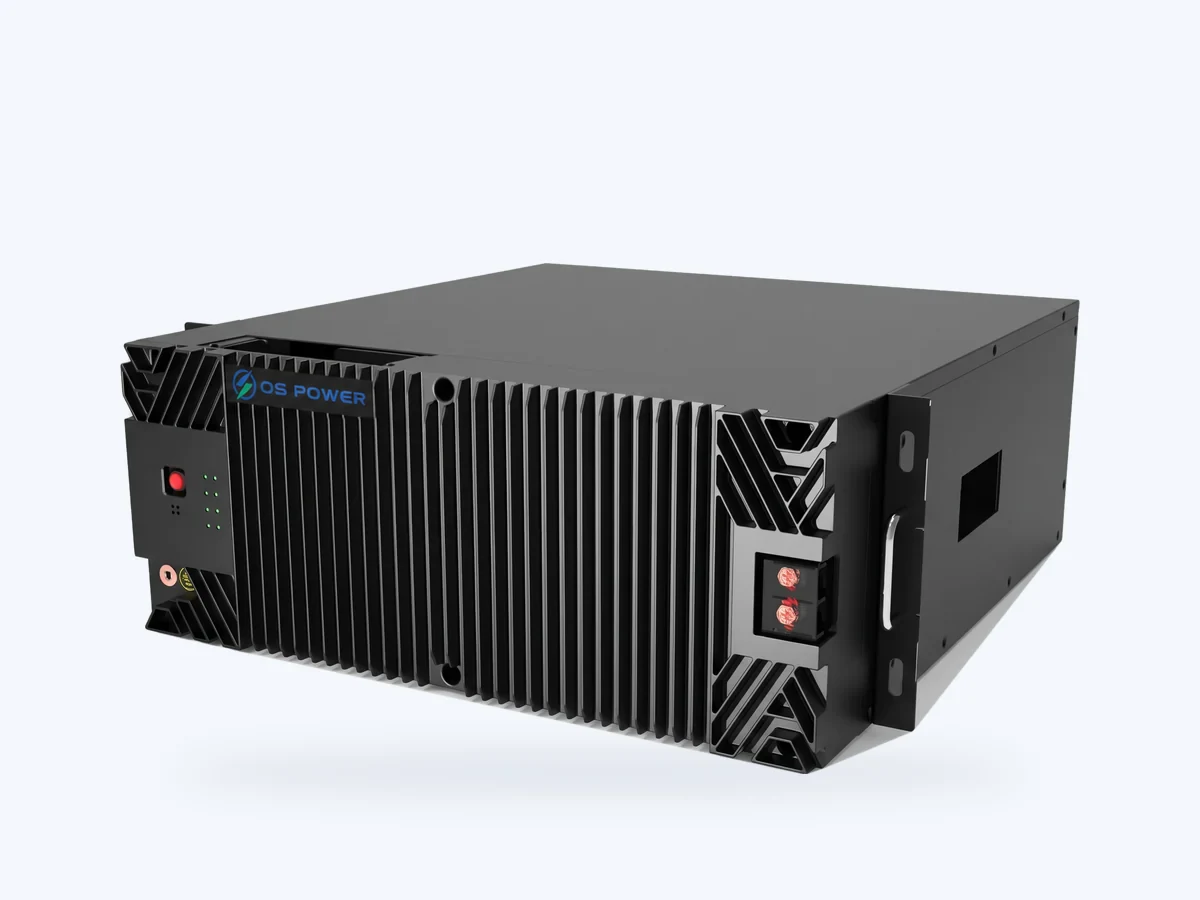
LFP lithium in the same 19-inch rack: 3-4 times lighter, no replacements over the service life, in stages.
Learn moreLong outages and a poor grid
The battery carries the load, the genset runs in short, efficient cycles based on state of charge.
Learn moreCold and heat
NFPP sodium charges from -20 °C and discharges at -40 °C without heating, operates up to +60 °C.
Learn moreTheft protection
Software lock, displacement sensor and GPS: a stolen battery does not work and can be located.
Learn moreIntegrated cabinet instead of an equipment room
Power, batteries, climate control and space for radio equipment in one cabinet: 75 % less floor space.
Learn moreRequest
Tell us about your sites
Number and type of sites, climate, load, installed power system and what is currently in the battery compartment. We will reply with a preliminary configuration and pilot terms.